

Creating an online course is more than just sharing knowledge—it’s about crafting an engaging experience that keeps your students motivated and invested in their learning journey. With the rise of online education, the demand for high-quality, engaging courses has never been greater.
However, in a sea of online learning options, it can be challenging to stand out. The key to success lies in creating content that not only educates but also captivates your audience.
This article is designed to provide you with expert tips on how to create content that resonates with your students and keeps them coming back. Whether you’re a seasoned instructor or new to course creation, these 10 tips will guide you in building a course that’s both informative and engaging.
From defining clear learning outcomes to choosing the right platform, we’ll cover every essential step to help you design a course that delivers value and keeps students excited to learn.
By focusing on diverse content formats, incorporating interactive elements, and continuously improving your course, you can create an immersive learning experience that leaves a lasting impact. Let’s dive into these expert tips and start building a course that truly stands out.
1. Define Clear Learning Outcomes
Before you begin creating your course, it’s important to have a clear idea of what you want your students to accomplish by the end. These learning outcomes will shape every part of the course, including its structure and how it’s delivered. Make sure they are specific, measurable, and achievable.
Why This Is Important
Clear learning outcomes help both you and your students stay focused on what’s important. When you define what students will achieve by the end of your course, it provides a roadmap for the content you create. This clarity helps your learners understand what they’re working towards and motivates them to keep going.
How to Set Clear Learning Outcomes
To set clear outcomes, be specific about the knowledge, skills, or abilities your students will gain. Use action verbs like “explain,” “demonstrate,” or “analyze” to describe what they will be able to do. Make sure these outcomes are achievable within the course timeframe.
Example Learning Outcome:
By the end of this course, students will be able to create a basic website using HTML, CSS, and JavaScript.
2. Create a Comprehensive Course Outline
A strong course outline is essential for creating a successful course. It helps you organize your ideas, ensures that all important topics are included, and makes the course more accessible for your students. A well-structured outline should follow a clear, logical flow, beginning with foundational concepts and gradually progressing to more advanced material.
Why This Is Important
A well-thought-out course outline is the backbone of any successful online course. It gives structure to your content and helps you organize your lessons logically. It also ensures that you cover all necessary topics in the right order, avoiding any gaps in your students’ learning.
Steps to Create an Outline:
- Break your course into modules or sections.
- List key topics under each module.
- Arrange topics in a logical sequence.
- Determine the time needed to cover each section.
- Leave room for interactive elements and assessments.
Tools to Help Create an Outline:
- Google Docs or Microsoft Word (simple and accessible)
- Trello (useful for organizing ideas)
- Course creation platforms like Teachable or Thinkific (many have built-in outline tools)
3. Diversify Content Formats
To keep your students engaged, it’s important to offer content in a variety of formats. Everyone learns differently—some students might prefer videos, while others may favor reading. By offering diverse content types, you cater to different learning styles and help keep students engaged, providing them with multiple ways to absorb the material.
Why This Is Important
Different learners absorb information in different ways. Some prefer videos, while others may learn better through written materials or infographics. By offering a variety of content formats, you increase the chances of engaging all types of learners and keeping them interested.
Content Formats to Consider:
- Text: Articles, lesson notes, and transcripts.
- Video: Lectures, tutorials, or demonstrations.
- Audio: Podcasts, voiceovers, or lectures for on-the-go learning.
- Quizzes: Short, interactive assessments that reinforce learning.
- Infographics: Visual representations of concepts.
- Discussion Boards: Spaces for students to interact and discuss ideas.
4. Make High-Quality Video Lessons
When creating an online course, video is essential. Video lessons are engaging, simple to digest, and work well for teaching a wide range of topics. However, not all videos are created equal. You need high-quality content that looks professional and is easy for your students to follow.
Why This Is Important
Video is one of the most engaging types of content for online courses. Studies have shown that people retain information better when they watch and listen. High-quality video lessons also help build a connection between you and your students, making the learning experience more personal and interactive.
Tips for Creating Effective Video Lessons:
- Keep it short and focused: Aim for videos between 5-10 minutes to hold attention.
- Use good lighting: Ensure your videos are well-lit to improve visibility.
- Use clear audio: Invest in a good microphone to avoid distracting sound issues.
- Edit your videos: Cut out unnecessary parts to maintain engagement.
- Add captions: This helps with accessibility and also aids learners who prefer reading.
5. Incorporate Interactive Elements
Interactive elements such as quizzes, assignments, and polls promote active participation, reinforcing the learning process. Instead of simply consuming content, students should be encouraged to engage with the material and apply their knowledge.
Why This Is Important
Interactive elements break up the monotony of passive learning and encourage students to actively engage with the content. This boosts retention and makes your course more enjoyable.
Examples of Interactive Elements:
- Quizzes: Test students’ knowledge after each module.
- Polls: Get feedback from students to adjust the course in real time.
- Discussion Boards: Allow students to share ideas and ask questions.
- Assignments: Practical tasks that help students apply what they’ve learned.
- Gamification: Add elements of game design, such as badges or points, to motivate learners.
6. Design Content with Accessibility in Mind
A crucial part of creating an online course is making sure your content is accessible to all learners, including those with disabilities. By implementing accessibility best practices, you not only make your course more inclusive but also enhance the learning experience for everyone.
Why This Is Important
Making your course accessible is not just about compliance; it’s about inclusivity. If your content is accessible to everyone, including people with disabilities, you will attract a larger and more diverse audience. Plus, it shows that you care about your learners.
Accessibility Best Practices:
- Use captions and transcripts for videos.
- Offer audio descriptions for visual content.
- Ensure your website or platform is screen reader-friendly.
- Use large, readable fonts and good contrast for text.
- Make interactive elements keyboard accessible (important for those with mobility impairments).
7. Choose the Right Course Platform
Choosing the right platform to host your course is essential for its success. It’s important that the platform matches your course content, teaching approach, and the specific needs of your students.
Why This Is Important
The right platform is essential for delivering your content in the best way possible. It also affects the user experience, such as navigation, payment options, and mobile access. A good platform allows you to organize content easily, interact with your students, and track progress.
Key Features to Look For:
- Ease of use: The platform should be simple for both you and your students.
- Customization options: Make your course look and feel unique.
- Mobile access: Make sure students can access your course on various devices.
- Payment options: Provide flexible payment methods.
- Student analytics: Track student progress and engagement.
8. Implement Assessment and Feedback Mechanisms
Assessments play a crucial role in any course by evaluating how well students grasp the material. However, assessments alone aren’t sufficient. Offering timely and constructive feedback is equally important for helping students improve and stay on track.
Why This Is Important
Assessments are crucial for evaluating student progress and reinforcing learning. Feedback helps students understand where they need to improve and encourages them to continue working through the course.
Without assessments and feedback, it’s hard to gauge how well students are mastering the material.
Types of Assessments to Include:
- Quizzes: Short assessments to test knowledge after each lesson.
- Assignments: Projects that require students to apply what they’ve learned.
- Peer reviews: Allow students to critique each other’s work.
- Final exams or capstone projects: Evaluate the overall understanding of the course material.
9. Market Your Course
Creating an exceptional course is just the beginning. The next crucial step is ensuring people know about it. Marketing plays a vital role in the success of your course. Without a solid marketing strategy, even the most outstanding course can remain overlooked.
Why This Is Important
You may have created the best course in the world, but if no one knows about it, your efforts will go unnoticed. Effective marketing ensures that your course reaches the right audience and attracts students who will benefit from it.
Effective Marketing Strategies:
- Leverage social media: Use platforms like Instagram, Twitter, or LinkedIn to showcase snippets of your course.
- Build an email list: Send targeted emails to potential students.
- Create free content: Offer free webinars, blog posts, or downloadable resources to give potential students a taste of your course.
- Offer discounts or early-bird prices: Attract students with limited-time offers.
- Collaborate with influencers: Partner with people in your niche to promote your course.
10. Continuously Update and Improve Your Course
A course isn’t something you create once and forget about. As you receive feedback from students and as your field changes, it’s crucial to regularly review and update your course to keep it relevant and effective.
Why This Is Important
Your course should not remain static. As technology, trends, and knowledge evolve, so should your course content. Regular updates show that you’re committed to providing the best experience for your students and help maintain the relevance of your course.
How to Improve Your Course Over Time:
- Gather student feedback: Regularly ask students for their input on what worked and what didn’t.
- Monitor trends in your field: Stay up to date with industry changes and incorporate new information.
- Refine your content: Based on feedback, improve lessons, add new modules, or remove outdated material.
- Track student progress: Use analytics to identify areas where students are struggling and adjust the course accordingly.
Top Online Courses Tools
When it comes to choosing the right platform for your online course business, there are several strong contenders in 2025.
Here’s a breakdown of some of the top platforms to consider.
1. Thinkific
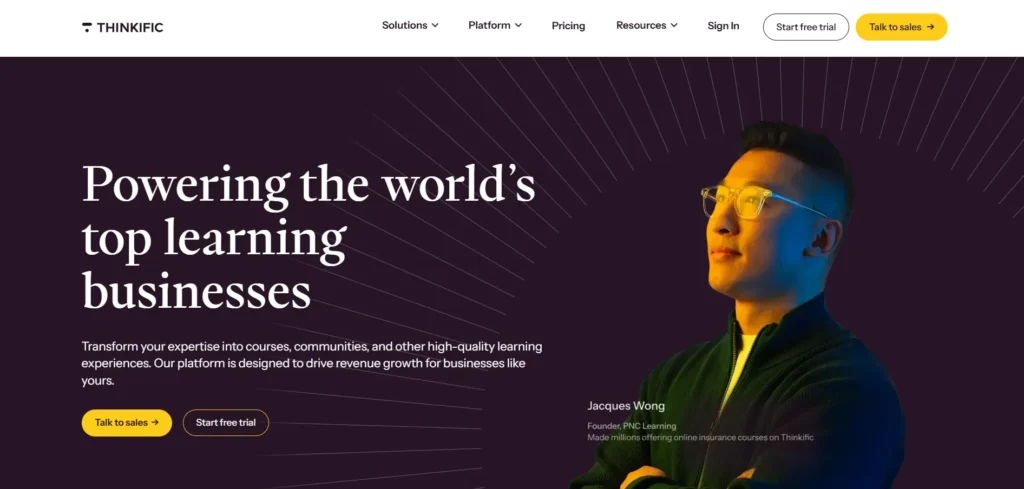
Thinkific is a leading platform known for its robust course creation tools and ease of use. It allows you to create a variety of content types, including video, quizzes, and assignments. Thinkific also offers a strong suite of marketing tools, including automated email campaigns and integrations with popular platforms like Mailchimp and Zapier.
2. Teachable
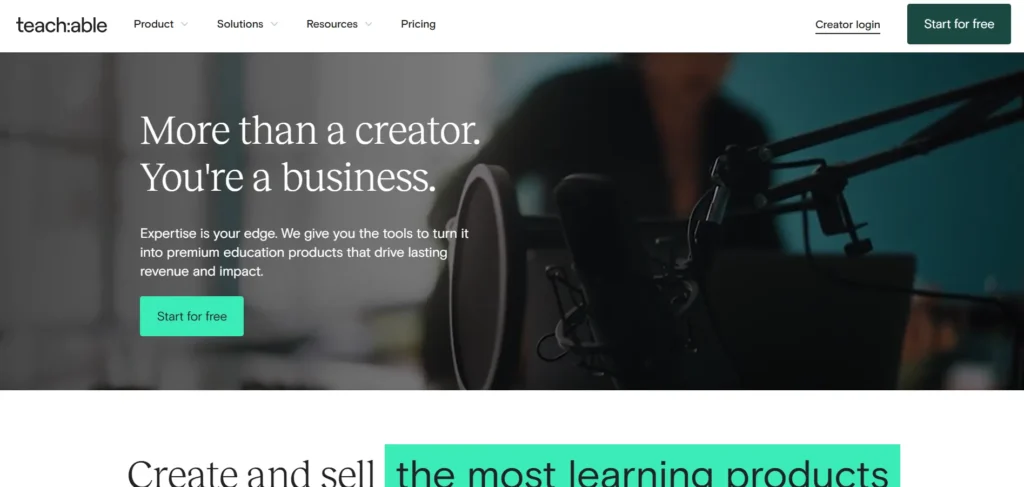
Teachable is another well-known name in the online course space. It’s user-friendly and allows you to easily create and sell courses. The platform has a wide range of customization options, strong monetization features, and integrates seamlessly with third-party tools like PayPal and Stripe.
3. Kajabi
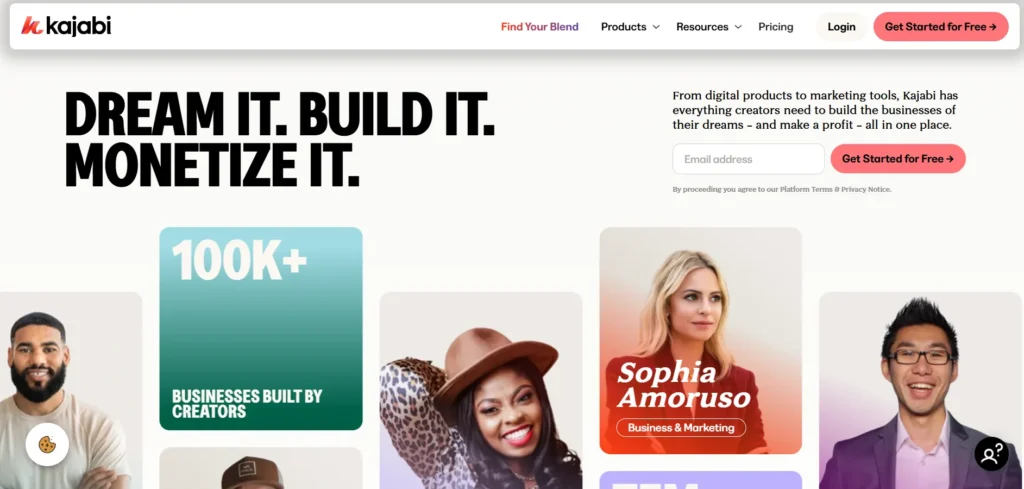
Kajabi is a powerful all-in-one platform for course creation, marketing, and sales. It provides advanced marketing tools like automated email sequences, landing pages, and sales funnels. Kajabi is particularly great for creators who want an all-inclusive solution for selling and managing their courses.
4. LearnWorlds
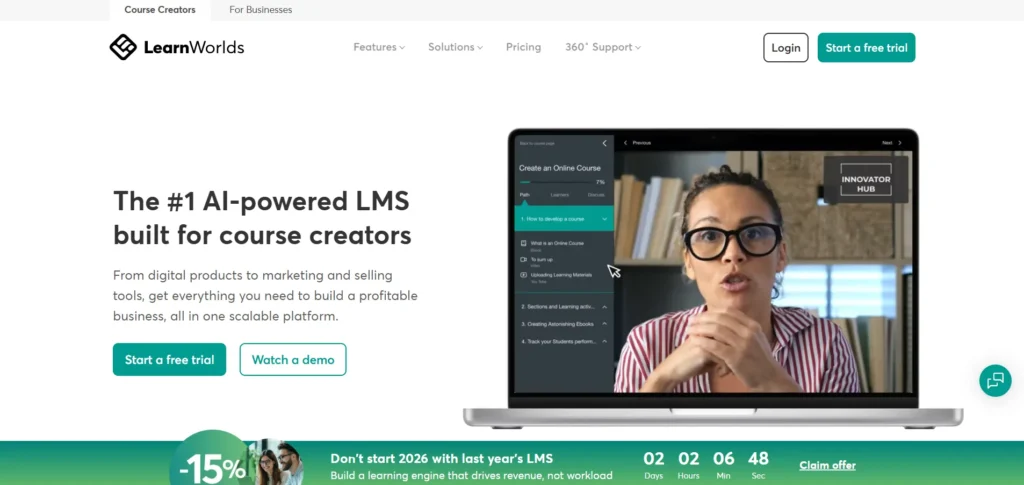
LearnWorlds stands out for its interactive features and advanced analytics. It’s designed to create highly engaging learning experiences with tools like video interactions and quizzes. LearnWorlds also provides excellent branding options and is known for its user-friendly interface.
5. Kartra
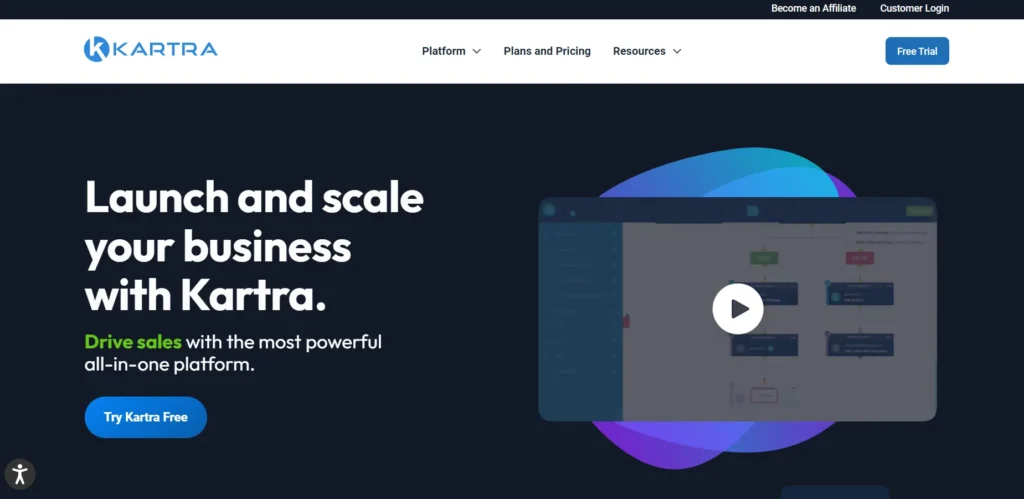
Kartra is a versatile platform that combines course creation with powerful marketing features. It provides an easy-to-use interface for building sales funnels, email marketing campaigns, and even membership sites. Kartra is ideal for those who want a platform that combines both course creation and business management tools.
Conclusion
In conclusion, creating engaging content for your online course requires a thoughtful blend of strategy, creativity, and continuous effort.
By clearly defining your learning outcomes, designing a well-organized course outline, and offering diverse content formats, you lay the foundation for a rich learning experience. High-quality video lessons, interactive elements, and a focus on accessibility further enhance student engagement and retention.
Choosing the right course platform, implementing effective assessments, and providing feedback mechanisms are all essential for creating a seamless and impactful learning environment. Marketing your course effectively ensures it reaches the right audience, while consistently updating and improving your content keeps it relevant and valuable over time.
Remember, building an engaging course is not a one-time task—it’s an ongoing process. Listen to your students, adapt to their needs, and keep refining your approach to offer the best learning experience.
By following these expert tips, you can create a course that not only educates but also inspires and motivates your learners, ensuring long-term success for both you and your students.
FAQs
What makes an online course engaging?
Engaging courses have clear learning outcomes, varied content formats, interactive elements, and opportunities for feedback.
How do I choose the right course platform?
Look for platforms that are easy to use, customizable, and offer features like mobile access, payment options, and student analytics.
How often should I update my course?
Regularly update your course based on student feedback, industry changes, and new learning materials.
What types of assessments should I use?
Quizzes, assignments, peer reviews, and final exams are all great ways to assess student learning.
How do I market my course effectively?
Use social media, email marketing, free content, and collaborations with influencers to promote your course.