

Creating high-quality online courses can be a time-consuming and complex process. From generating ideas to developing content and engaging students, it takes a lot of effort to deliver an effective learning experience.
However, with the rise of artificial intelligence (AI), course creation is being revolutionized. AI tools now offer powerful solutions to streamline many aspects of the course development process, making it easier and more efficient for creators while enhancing the learning experience for students.
Whether you’re a seasoned educator or someone new to course creation, AI can assist at every step. From brainstorming course ideas based on market trends to automating administrative tasks and personalizing learning experiences, AI helps you build courses that are not only effective but also engaging and tailored to the individual needs of your learners.
In this article, we’ll explore 10 innovative strategies for using AI to build online courses that stand out in today’s competitive e-learning market. These strategies will help you harness the power of AI to save time, improve content quality, and ensure your course delivers maximum value to your students. Let’s dive in!
1. Brainstorm Course Ideas with AI
The first step in creating an online course is deciding what to teach. But with so many topics to choose from, how can you be sure you’re selecting the right one? This is where AI can come in handy. AI tools like ChatGPT, Jasper, and other content-generation platforms can analyze current trends and learner preferences to suggest relevant course topics.
AI can also help you understand the most frequently asked questions within your field. By scanning forums, articles, and online resources, AI can uncover niche areas with high demand that may not be obvious at first glance. Additionally, AI tools can analyze keywords and content gaps to ensure that your course idea is both timely and in-demand.
Why It Works:
- Trend Analysis: AI can instantly pull in data from various sources to identify what people are searching for.
- Content Gaps: AI can reveal areas where information is lacking, giving you the opportunity to fill that gap.
- Personalization: Based on AI insights, you can create a course that directly meets learners’ needs, increasing its appeal.
2. Develop Detailed Course Outlines
Once you’ve chosen your course topic, the next step is to outline the content. AI can help you break down complex topics into digestible chunks. Rather than spending hours manually mapping out your course structure, AI tools can create detailed, logical outlines based on your subject.
For example, platforms like Jasper or ChatGPT can take your main course idea and provide a step-by-step breakdown, suggesting modules, lessons, and even lesson titles. You can refine this AI-generated outline to fit your personal teaching style, saving time and ensuring that your course is well-organized.
Why It Works:
- Time Efficiency: AI can quickly organize your ideas into a clear structure, helping you move on to content creation faster.
- Content Flow: AI ensures that your course follows a logical flow, which is essential for learner engagement.
- Customizable: While AI generates a basic structure, it allows you to personalize the outline according to your expertise.
3. Create Engaging Course Content
Engaging content is key to keeping learners motivated throughout the course. AI can assist in various ways to make content more interactive and engaging. From generating lesson plans to writing content, AI tools can streamline the content creation process.
For instance, AI-powered writing assistants like ChatGPT can help generate the text for your course modules. But it’s not just about writing—AI can also create engaging learning activities like case studies, real-world scenarios, or interactive exercises. Additionally, AI can be used to create video scripts, making the process of producing multimedia content more efficient.
Why It Works:
- Diverse Formats: AI can help you create a variety of content formats, such as articles, videos, quizzes, and even podcasts.
- Engagement Boost: By incorporating interactive content, you can keep learners engaged and make the learning experience more immersive.
- Time-Saving: AI speeds up content creation, allowing you to focus more on quality and creativity.
4. Design Visuals and Presentations
A well-designed presentation can significantly enhance the learning experience. Fortunately, AI tools like Canva, Beautiful.ai, and Visme can help you design visually appealing course materials without needing advanced graphic design skills.
AI-powered design tools come with ready-made templates, design suggestions, and even automatic color schemes. These platforms can help you create professional-quality slides, infographics, and diagrams that complement your course content. By using AI for visuals, you can maintain a consistent design throughout your course and ensure that your materials are visually engaging.
Why It Works:
- Ease of Use: AI tools make it easy for anyone to design professional-looking visuals, even without a background in design.
- Efficiency: AI streamlines the design process, reducing the time spent creating course visuals.
- Consistency: AI can help you maintain a uniform look across your entire course, ensuring a cohesive learning experience.
5. Create Interactive Quizzes and Assessments
Quizzes and assessments are crucial for evaluating learner progress. AI can assist in creating personalized quizzes and assessments that adapt to the learner’s pace and knowledge level. Some AI tools can generate multiple-choice questions, short answers, or essay prompts based on the course content.
Furthermore, AI can provide instant feedback on quizzes and assignments. This allows learners to track their progress in real time and understand areas where they need improvement. By incorporating AI-driven assessments, you can create a more dynamic and responsive learning environment.
Why It Works:
- Personalization: AI can create quizzes tailored to individual learners’ needs, ensuring that assessments are appropriate for each student.
- Instant Feedback: AI-powered assessments offer immediate feedback, which enhances the learning process.
- Adaptability: AI can adjust quiz difficulty based on a learner’s performance, ensuring the right level of challenge.
6. Develop AI-Powered Chatbots for Learner Support
One of the most significant advantages of AI in online courses is the ability to provide 24/7 support through chatbots. AI-powered chatbots can instantly respond to learners’ questions, guide them through the course content, and help troubleshoot technical issues. Platforms like Zendesk or Intercom provide AI chatbots that can be integrated into your course platform.
Chatbots can also be used to automate administrative tasks, such as sending reminders, grading assignments, or providing certificates. This not only helps learners but also frees up your time, so you can focus on more important tasks, such as content creation and course updates.
Why It Works:
- Instant Support: AI chatbots offer round-the-clock assistance, ensuring learners never feel stuck.
- Automation: Chatbots handle routine tasks, allowing you to focus on course improvement.
- Learner Engagement: Chatbots can provide personalized guidance, making learners feel more supported.
7. Automate Administrative Tasks
Running an online course involves various administrative tasks, such as enrolling students, tracking progress, and sending course materials. AI can automate most of these tasks, reducing the time and effort required for course management.
For example, AI can automatically enroll students, send welcome emails, and track learner progress. Tools like Teachable, Thinkific, or LearnWorlds offer built-in AI features that help streamline these processes. AI can also send automated reminders, ensuring that students stay on track and complete assignments on time.
Why It Works:
- Efficiency: AI handles repetitive administrative tasks, giving you more time to focus on course content.
- Automation: Processes like enrollment, progress tracking, and reminders are automated, reducing the workload.
- Student Retention: AI can help keep learners engaged by sending timely reminders and progress updates.
8. Personalize Learning Experiences
AI can enhance the learning experience by tailoring content to individual learners’ needs. By analyzing data such as quiz performance, course completion rates, and engagement, AI can provide personalized learning recommendations.
For example, if a learner struggles with a specific topic, AI can suggest additional resources or revise the content to match their learning pace. Personalized learning helps to create a more engaging and efficient experience, as students feel that the course is tailored to their unique needs.
Why It Works:
- Customization: AI personalizes the learning path based on individual progress and performance.
- Enhanced Learning: Learners get more focused, relevant content, making it easier for them to succeed.
- Improved Outcomes: By adjusting the difficulty and pace, AI ensures that learners are neither overwhelmed nor under-challenged.
9. Enhance Course Marketing with AI
Once your course is created, you need to promote it. AI can be a game-changer in marketing, especially when it comes to targeting the right audience. AI-powered tools like Google Ads, Facebook Ads, and HubSpot can analyze user data and predict the best strategies for promoting your course.
AI can also assist with content creation for marketing materials. Whether it’s social media posts, email newsletters, or blog articles, AI tools can generate compelling content that resonates with your audience. Additionally, AI can help automate your marketing efforts, ensuring your course gets the visibility it deserves.
Why It Works:
- Targeted Marketing: AI can help you find the right audience for your course, optimizing your marketing efforts.
- Content Generation: AI can generate marketing materials, saving you time and effort.
- Automation: AI can automate email campaigns, social media posts, and other promotional activities, reducing manual effort.
10. Gather Feedback and Improve Courses
Continuous improvement is essential for keeping your course relevant and up to date. AI can play a significant role in gathering and analyzing learner feedback. By using AI tools to analyze surveys, reviews, and engagement data, you can identify areas of improvement.
AI can also track learner progress and pinpoint where students tend to struggle. Based on this data, you can update your course materials, add supplementary resources, or even restructure lessons to improve the learning experience.
Why It Works:
- Data-Driven: AI provides actionable insights from learner feedback, helping you refine your course.
- Continuous Improvement: AI ensures that your course stays up-to-date and relevant to learners.
- Student Retention: By making regular updates, you show learners that you are committed to their success.
Top Online Courses Tools Using AI
When it comes to choosing the right platform for your online course business, there are several strong contenders in 2025.
Here’s a breakdown of some of the top platforms to consider.
1. Thinkific
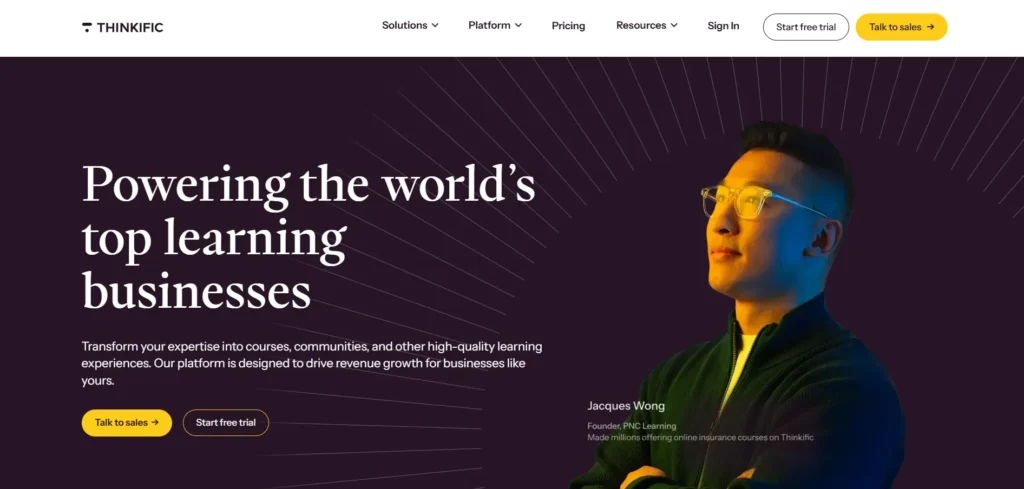
Thinkific is a leading platform known for its robust course creation tools and ease of use. It allows you to create a variety of content types, including video, quizzes, and assignments. Thinkific also offers a strong suite of marketing tools, including automated email campaigns and integrations with popular platforms like Mailchimp and Zapier.
2. Teachable
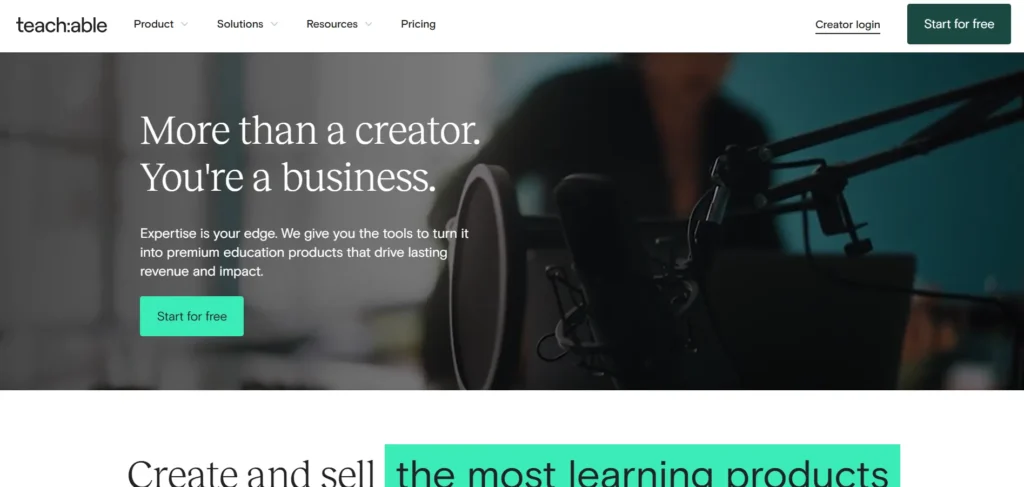
Teachable is another well-known name in the online course space. It’s user-friendly and allows you to easily create and sell courses. The platform has a wide range of customization options, strong monetization features, and integrates seamlessly with third-party tools like PayPal and Stripe.
3. Kajabi

Kajabi is a powerful all-in-one platform for course creation, marketing, and sales. It provides advanced marketing tools like automated email sequences, landing pages, and sales funnels. Kajabi is particularly great for creators who want an all-inclusive solution for selling and managing their courses.
4. LearnWorlds
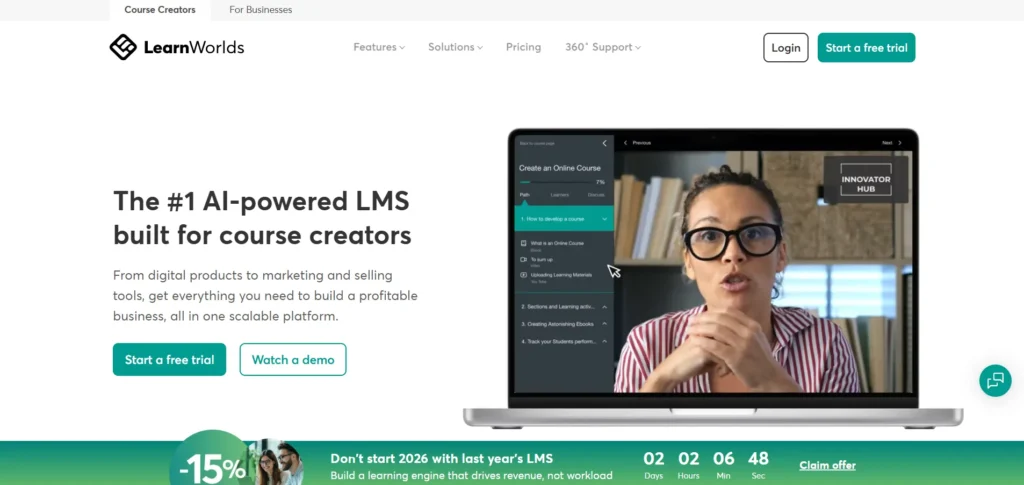
LearnWorlds stands out for its interactive features and advanced analytics. It’s designed to create highly engaging learning experiences with tools like video interactions and quizzes. LearnWorlds also provides excellent branding options and is known for its user-friendly interface.
5. Kartra
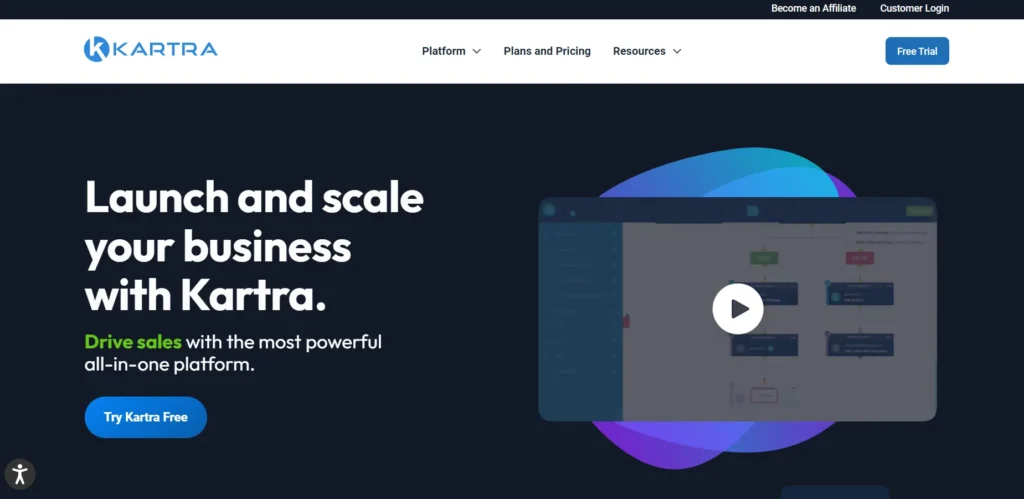
Kartra is a versatile platform that combines course creation with powerful marketing features. It provides an easy-to-use interface for building sales funnels, email marketing campaigns, and even membership sites. Kartra is ideal for those who want a platform that combines both course creation and business management tools.
Conclusion
Incorporating AI into the process of creating online courses offers a host of benefits, from saving time and effort to delivering a more personalized and engaging learning experience. Whether you’re brainstorming course ideas, creating content, or marketing your course, AI can help streamline every step of the process.
By embracing AI, you can improve both the quality of your courses and the satisfaction of your learners, all while staying ahead of the curve in the competitive world of online education.
FAQs
What AI tools are best for creating online courses?
AI tools like ChatGPT, Canva, Jasper, and Coursebox are excellent for content generation, design, and structuring courses.
How can AI personalize learning experiences?
AI can analyze learner data and tailor content to their needs, suggesting resources or adjusting difficulty based on performance.
Can AI assist in grading assignments?
Yes, AI can grade assignments and provide instant feedback, streamlining the assessment process.
How can AI improve marketing for online courses?
AI can analyze data to target the right audience, generate marketing content, and automate campaigns.
What are the benefits of using AI in course development?
AI helps save time, enhance personalization, and improve content quality, making course creation more efficient and engaging for learners.