

Creating an online course is an exciting and rewarding venture, but with so many options out there, how do you identify an idea that will stand out and meet the growing demands of 2025?
Whether you’re a seasoned educator, a professional with expertise, or someone looking to share knowledge, finding the right course idea is key to your success.
In the ever-expanding world of online learning, the competition is fierce, and students are becoming more selective about where they invest their time and money. With the right approach, you can tap into high-demand course topics that not only resonate with learners but also bring in a steady stream of income.
In this guide, we’ll explore how to identify high-demand online course ideas by focusing on market trends, profitability, emerging opportunities, and, importantly, your own strengths. By taking these steps, you’ll not only ensure that there’s interest in your course, but also increase your chances of long-term success.
Whether you’re launching your first course or looking to refine your existing offerings, these actionable strategies will help you create a course that stands out in 2025 and beyond.
1. Understand Market Demand
Before you can create a course, you need to know whether there is a genuine demand for it. The last thing you want is to invest time and resources into creating a course that nobody is interested in.
Key Tools for Identifying Market Demand
Several tools can help you understand what people are searching for and what topics are trending. Here are a few effective ones:
- Google Trends: This free tool allows you to see how often people are searching for specific keywords over time. It can help you spot seasonal trends or identify rising interest in specific topics.
- Udemy Insights: As one of the largest online course platforms, Udemy provides a detailed analysis of the most popular course categories. Check their marketplace insights for ideas.
- Quora and Reddit: Browsing forums like Quora and Reddit can reveal common questions or pain points that people want solutions for. These platforms give you a glimpse into what real users are discussing.
- Amazon Bestsellers: Check the top-selling books on Amazon in your niche. Books often reflect larger trends and interests, and these can inspire course ideas.
Action Steps
- Use Google Trends to search for keywords related to your niche and assess their search volume over the last year.
- Look at Udemy’s top-selling courses and identify gaps or areas where demand is high but supply is low.
- Engage with forums like Quora and Reddit to uncover pain points or frequently asked questions that could be addressed in a course.
2. Evaluate Profitability
Creating a high-demand course is great, but can it also be profitable? Let’s break down the elements that will ensure your course generates income.
Pricing Strategy
The pricing of your course should reflect both the value it provides and the competitive landscape. Courses priced too high may discourage buyers, while those priced too low might undercut your perceived value. Consider industry standards, but also test pricing based on your audience’s willingness to pay.
Upsell Potential
Think about additional products or services you can offer once students are enrolled. For instance, you could sell one-on-one coaching, premium resources, or exclusive community access as upsell opportunities.
Action Steps
- Research what similar courses are charging in your niche and choose a competitive price point.
- Identify potential upsell opportunities, such as personalized coaching or a membership community.
- Consider offering tiered pricing to accommodate different customer budgets.
3. Keep an Eye on Emerging Trends
The online education landscape evolves rapidly, and staying ahead of emerging trends will allow you to tap into high-demand areas before they become saturated.
Top Trends to Watch in 2025
Some trends that are likely to dominate online courses in 2025 include:
- Artificial Intelligence and Automation: As AI continues to advance, courses around machine learning, automation tools, and AI ethics are becoming increasingly popular.
- Sustainability: As more people look for ways to live sustainably, there’s growing interest in courses about green energy, sustainable living, and environmental advocacy.
- Mental Health and Wellbeing: With the world continuing to face challenges, courses about mental health, self-care, and stress management will remain in high demand.
- Remote Work and Productivity: As hybrid work models evolve, people will look for ways to improve their productivity, manage time effectively, and balance their work and life.
Action Steps
- Follow industry blogs, news sources, and social media to stay updated on the latest trends.
- Look for niche trends that haven’t been widely addressed yet to carve out your space.
- Consider how existing topics (like personal finance or fitness) can be adapted to suit the latest trends.
4. Align with Your Passion and Expertise
While market research is crucial, creating a course based on your passion and expertise ensures you remain motivated throughout the process.
Reflect on Your Strengths
Think about your professional experience and the areas where you excel. A course built on your skills will come across as authentic and engaging, and you’ll have a more natural ability to teach the material.
Action Steps
- Make a list of your skills and knowledge. Consider what you enjoy teaching or discussing with others.
- Compare your list to market demand and trends to find an intersection of passion and practicality.
- Reflect on what type of course would be enjoyable for you to create and sustain long-term.
5. Validate Your Course Idea
Before you fully commit to creating a course, it’s important to validate your idea. This ensures that there’s actual demand for it and prevents wasted effort.
Validation Techniques
- Surveys and Polls: Use platforms like SurveyMonkey or Google Forms to ask your target audience if they’d be interested in your course idea. Direct feedback is invaluable.
- Pre-Sell Your Course: If you’re confident in your course concept, consider pre-selling it to gauge interest. If people are willing to pay upfront, it’s a clear sign of demand.
- Beta Testing: Offer a beta version of your course to a small group of people. Gather feedback to refine and improve the course.
Action Steps
- Create a short survey to gauge interest in your course idea.
- Set up a landing page to pre-sell the course and offer early bird discounts.
- Invite a select group of people to test the course content and provide feedback.
6. Consider Scalability
Scalability is a key factor in creating a successful online course. The more scalable your course is, the easier it will be to grow your income with less effort.
Ways to Scale Your Course
- Automated Content Delivery: Use platforms like Teachable or Thinkific to deliver course material automatically, allowing you to enroll students at any time.
- Affiliate Marketing: Offer commissions to affiliates who promote your course, giving you a wider reach without additional marketing effort.
- Multiple Formats: Consider offering your course in different formats, like videos, workbooks, or live sessions, to cater to different learning styles.
Action Steps
- Choose a platform that supports automated course delivery and easy scalability.
- Set up an affiliate program to encourage others to promote your course.
- Create a variety of content formats to reach a wider audience and boost engagement.
7. Analyze Competition
Researching your competition is essential to understand how to differentiate your course and offer something unique.
Competitor Research
Look at the top courses in your niche and assess what they’re doing well and where they fall short. Identify opportunities to improve upon what’s already out there.
Action Steps
- Identify 5-10 top competitors offering similar courses.
- Analyze their course content, pricing, and marketing strategies.
- Identify gaps or weaknesses in their approach and use this information to make your course stand out.
8. Build a Marketing Strategy
Once you’ve identified a high-demand course idea, it’s time to create a marketing plan. Without effective marketing, even the best course might not reach its full potential.
Marketing Tactics
- Social Media Promotion: Utilize social media platforms like Instagram, LinkedIn, and Facebook to share snippets of your course and engage potential customers.
- Email Marketing: Build an email list and send personalized offers, course updates, and valuable content to your subscribers.
- Content Marketing: Write blog posts, create YouTube videos, or start a podcast to build authority and attract organic traffic.
Action Steps
- Develop a content marketing strategy that includes blog posts, videos, and social media engagement.
- Set up an email marketing campaign to nurture leads and encourage course sign-ups.
- Invest in paid advertising (if budget allows) to reach a broader audience.
Top Online Courses Tools in 2025
When it comes to choosing the right platform for your online course business, there are several strong contenders in 2025. Here’s a breakdown of some of the top platforms to consider.
1. Thinkific
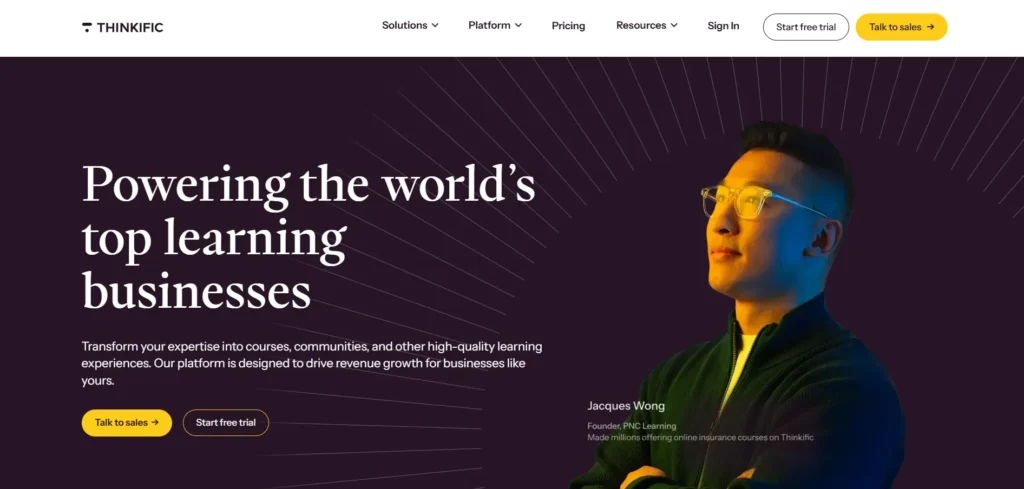
Thinkific is a leading platform known for its robust course creation tools and ease of use. It allows you to create a variety of content types, including video, quizzes, and assignments. Thinkific also offers a strong suite of marketing tools, including automated email campaigns and integrations with popular platforms like Mailchimp and Zapier.
2. Teachable
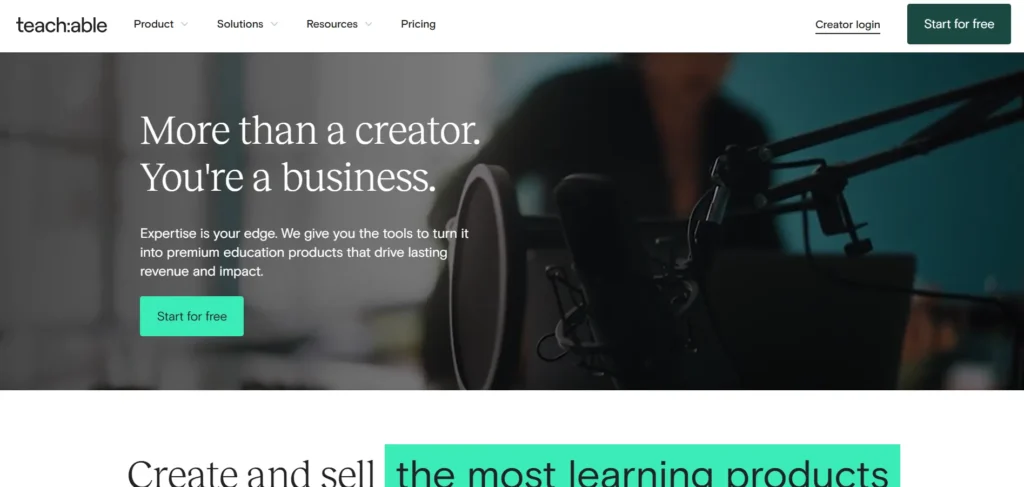
Teachable is another well-known name in the online course space. It’s user-friendly and allows you to easily create and sell courses. The platform has a wide range of customization options, strong monetization features, and integrates seamlessly with third-party tools like PayPal and Stripe.
3. Kajabi

Kajabi is a powerful all-in-one platform for course creation, marketing, and sales. It provides advanced marketing tools like automated email sequences, landing pages, and sales funnels. Kajabi is particularly great for creators who want an all-inclusive solution for selling and managing their courses.
4. LearnWorlds
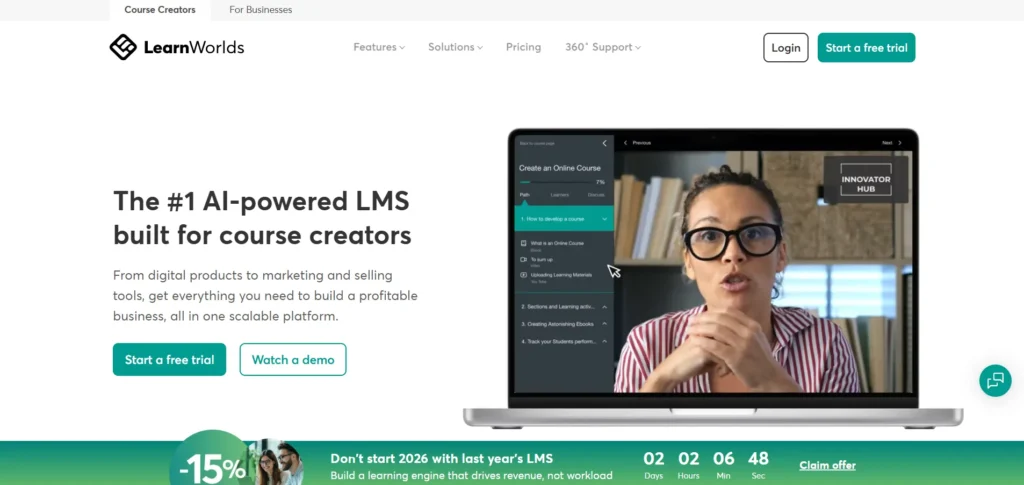
LearnWorlds stands out for its interactive features and advanced analytics. It’s designed to create highly engaging learning experiences with tools like video interactions and quizzes. LearnWorlds also provides excellent branding options and is known for its user-friendly interface.
5. Kartra
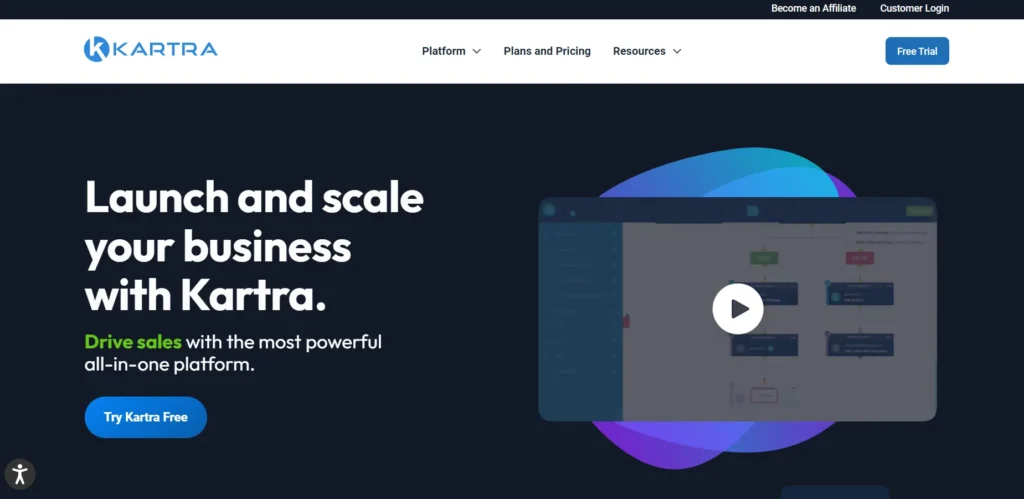
Kartra is a versatile platform that combines course creation with powerful marketing features. It provides an easy-to-use interface for building sales funnels, email marketing campaigns, and even membership sites. Kartra is ideal for those who want a platform that combines both course creation and business management tools.
Conclusion
Identifying high-demand online course ideas for 2025 is a strategic process that requires a blend of market research, trend awareness, and personal passion. By understanding market demand, evaluating profitability, staying updated on emerging trends, and aligning your course with your own expertise, you set yourself up for success.
Validating your idea with real-world feedback and considering scalability ensures your course will grow with minimal effort, while competitor analysis helps you refine your offering to stand out in a crowded market.
It’s also crucial to build a strong marketing strategy to reach your target audience and maintain engagement. From leveraging social media to email marketing and content creation, an effective marketing plan will help you build momentum and turn interest into sales.
As you begin crafting your online course, remember that the key to long-term success lies in delivering real value to your students. By focusing on their needs and continuously refining your course based on feedback, you’ll not only meet the demand for 2025 but also build a sustainable educational business for the future.
So, take these insights, apply them to your course creation process, and get ready to launch your high-demand online course in 2025!
FAQs
How do I know if my course idea is in demand?
Use tools like Google Trends, Udemy Insights, and community platforms like Reddit and Quora to check for interest.
What’s the best pricing strategy for my course?
Research similar courses to gauge market rates. Offer tiered pricing or an upsell option for added value.
How do I validate my course idea before creating it?
Conduct surveys, pre-sell the course, or offer a beta version to a select group of people to test demand.
Can I scale my online course?
Yes, using automated delivery systems, affiliate marketing, and offering multiple course formats can help scale your course.
How can I differentiate my course from competitors?
Research competitors to identify gaps, and focus on unique selling points like niche topics, additional resources, or more interactive content.