

Selecting the right online course software is one of the most important decisions educators and course creators can make in 2025.
With so many platforms available, each offering a variety of features, it can be overwhelming to know which one is the best fit for your teaching needs. The right platform can make a significant difference in how you create, manage, and deliver your content, not to mention how you engage with students and monetize your courses.
In today’s digital age, an effective online course platform goes beyond just hosting videos. It needs to offer robust tools for creating interactive and engaging learning experiences, marketing your courses, tracking student progress, and handling payments. Whether you’re a seasoned educator or a new course creator, finding a platform that matches your teaching style and business goals is essential.
This guide will walk you through the key factors to consider when choosing online course software, such as ease of use, course creation tools, marketing capabilities, and customer support.
Additionally, we’ll review some of the top platforms available in 2025 to help you make an informed decision. By the end, you’ll have the insights you need to select a platform that helps you create successful and engaging online courses..
Why Your Choice of Course Platform Matters
Choosing the right online course software isn’t just about finding a tool to upload your lessons. It’s about creating an engaging, seamless learning experience for your students.
The platform you choose will impact everything from course creation to student interactions, marketing, and even how you get paid. A well-chosen course platform can enhance your teaching capabilities, save you time, and streamline your entire business process.
In contrast, the wrong choice can lead to frustration, lower student engagement, and missed opportunities. With so many options out there, it’s essential to understand what makes a platform stand out.
Key Factors to Consider When Choosing a Course Tool
There’s no one-size-fits-all approach to selecting the best online course software. The ideal platform depends on your specific needs and goals. Below are the critical factors to consider when making your choice.
1. Course Creation Features
Your platform should offer a robust set of tools to help you create your course content quickly and efficiently. Look for options that support multiple content formats, such as videos, quizzes, assignments, and downloadable resources. The best platforms will also provide templates to make the creation process smoother and faster, as well as the ability to organize your content into modules or chapters.
Some platforms even allow you to create certifications for students who complete your courses, adding extra value for your learners.
2. Ease of Use
As an instructor, you don’t want to spend more time learning how to use the platform than actually teaching. The software should be intuitive and user-friendly. This includes a clean, well-organized interface, easy-to-navigate settings, and a simple way to manage students.
Before committing to a platform, it’s a good idea to take advantage of free trials or demos to test the ease of use. If the platform feels clunky or unintuitive, it may not be the right fit for your needs.
3. Engagement & Interaction Tools
Student engagement is essential for successful online courses. Look for platforms that offer features to keep students involved in the learning process. This might include discussion forums, live chat, messaging, or the ability to create peer interaction opportunities. Some platforms also include gamification features like progress tracking, badges, or leaderboards to motivate learners.
The more interactive the platform is, the more likely students will stay engaged and complete your courses.
4. Monetization & Payment Features
If you’re looking to earn revenue from your courses, you’ll need a platform that simplifies the process. The best online course tools will offer built-in payment systems, allowing you to accept payments directly through the platform. Look for features like subscription plans, one-time payments, installment options, and promo codes.
It’s also important to ensure the platform integrates with popular payment gateways like PayPal or Stripe to make transactions seamless.
5. Marketing & Sales Tools
To grow your student base, you’ll need more than just a course. You’ll need a strategy to attract potential learners. Many online course platforms offer built-in marketing tools that can help you build landing pages, create email campaigns, and set up affiliate programs.
Look for platforms that allow easy integration with popular email marketing tools and CRM systems. Features like automated sales funnels and customizable email templates can also help you nurture leads and boost conversions.
6. Analytics and Reporting
Data is key when it comes to improving your courses and marketing efforts. The best online course platforms will offer in-depth analytics, allowing you to track student progress, engagement, and sales. You should be able to see who’s completing your course, where they’re getting stuck, and what areas need improvement.
Reporting tools also help you monitor your business performance, including financial data and student feedback, which can help you optimize your offerings.
7. Branding and Customization
Your course platform should feel like an extension of your brand. Look for software that offers customization options, such as the ability to personalize your course pages, colors, logos, and domain name. Having a branded experience will make your courses feel more professional and help build trust with your students.
Some platforms even allow you to customize the student dashboard or offer different course layouts, giving you more flexibility in how your content is presented.
8. Mobile Responsiveness
In today’s fast-paced world, students expect to learn on the go. With more learners accessing courses from smartphones and tablets, it’s essential that your platform is mobile-friendly. Ensure that the platform’s design is responsive, meaning it automatically adjusts to fit different screen sizes without compromising the user experience.
Check if the platform offers a mobile app, which can make it even easier for students to access your content and engage with your lessons.
9. Integrations
No platform exists in a vacuum. As an online educator, you’ll likely need to integrate your course software with other tools. This could include email marketing platforms, webinar software, social media tools, or customer relationship management (CRM) systems.
Make sure the platform you choose supports easy integrations with the tools you already use, or that it has a marketplace of third-party integrations to expand its functionality.
10. Customer Support and Community
No matter how user-friendly the platform is, you’ll likely run into issues from time to time. That’s why reliable customer support is crucial. Choose a platform that offers multiple support channels like live chat, email, and phone support.
It’s also beneficial to select a platform with an active community where you can ask questions, share ideas, and learn from others. A strong support community can be an invaluable resource as you grow your online teaching business.
11. Security and Data Privacy
When dealing with student data, security is non-negotiable. Ensure the platform complies with relevant data privacy regulations like GDPR (General Data Protection Regulation) or CCPA (California Consumer Privacy Act). This will help safeguard both your students’ personal information and your course content.
Look for platforms that provide features like SSL encryption, two-factor authentication, and secure payment gateways to ensure that your data is protected.
12. Scalability
As your course offerings grow, you’ll want a platform that can scale with your business. Look for platforms that can handle increased traffic, more students, and additional courses without compromising performance. Whether you’re planning to grow your course catalog or expand to a larger audience, the platform should be able to handle the growth.
Some platforms offer tiered pricing models, so you can upgrade as your needs evolve.
Top Online Course Tools in 2025
When it comes to choosing the right platform for your online course business, there are several strong contenders in 2025. Here’s a breakdown of some of the top platforms to consider.
1. Thinkific

Thinkific is a leading platform known for its robust course creation tools and ease of use. It allows you to create a variety of content types, including video, quizzes, and assignments. Thinkific also offers a strong suite of marketing tools, including automated email campaigns and integrations with popular platforms like Mailchimp and Zapier.
2. Teachable
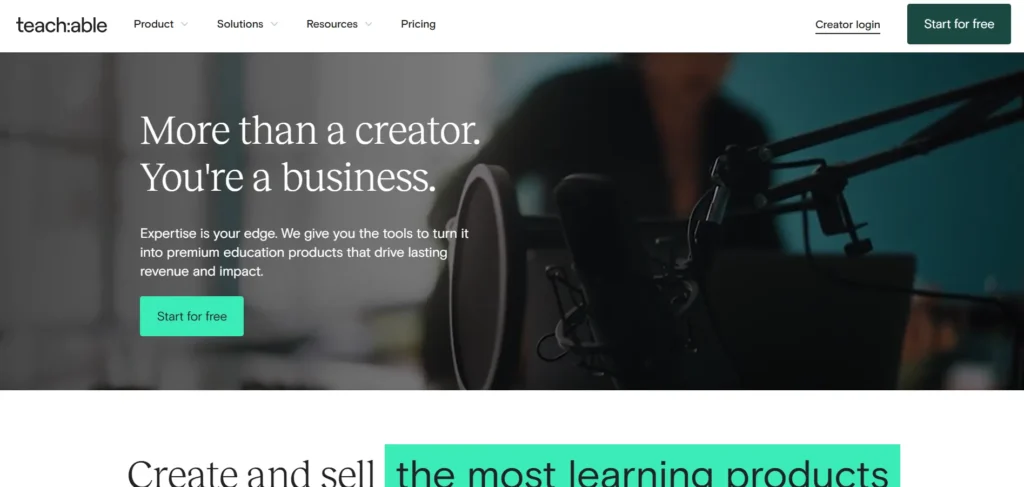
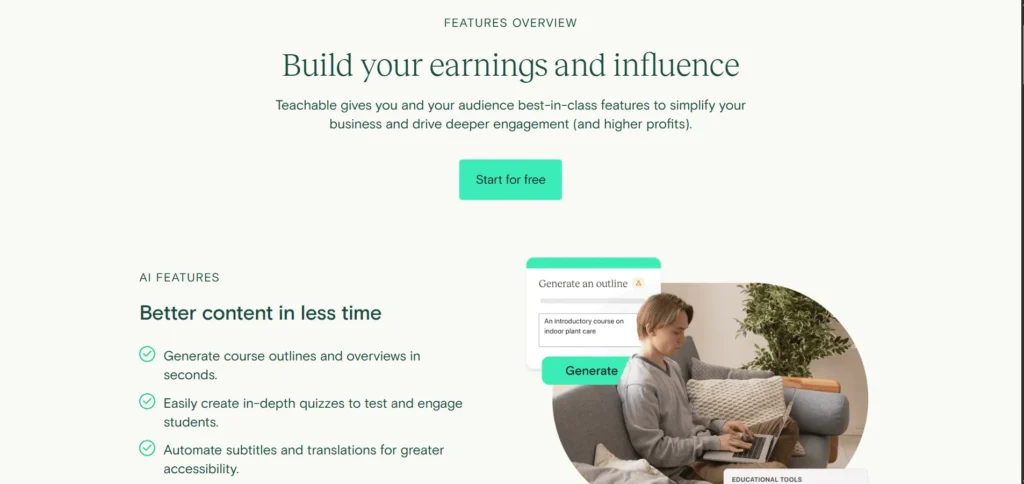
Teachable is another well-known name in the online course space. It’s user-friendly and allows you to easily create and sell courses. The platform has a wide range of customization options, strong monetization features, and integrates seamlessly with third-party tools like PayPal and Stripe.
3. Kajabi

Kajabi is a powerful all-in-one platform for course creation, marketing, and sales. It provides advanced marketing tools like automated email sequences, landing pages, and sales funnels. Kajabi is particularly great for creators who want an all-inclusive solution for selling and managing their courses.
4. LearnWorlds
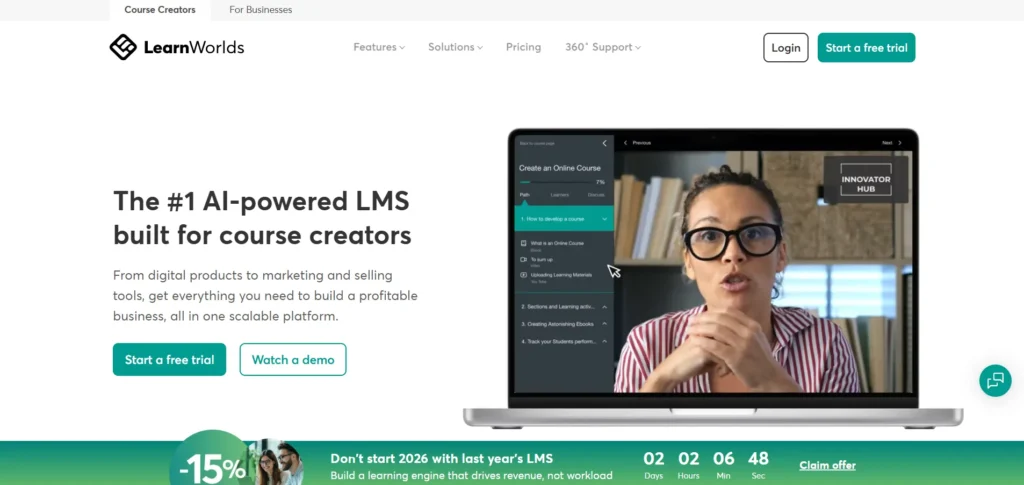
LearnWorlds stands out for its interactive features and advanced analytics. It’s designed to create highly engaging learning experiences with tools like video interactions and quizzes. LearnWorlds also provides excellent branding options and is known for its user-friendly interface.
5. Kartra
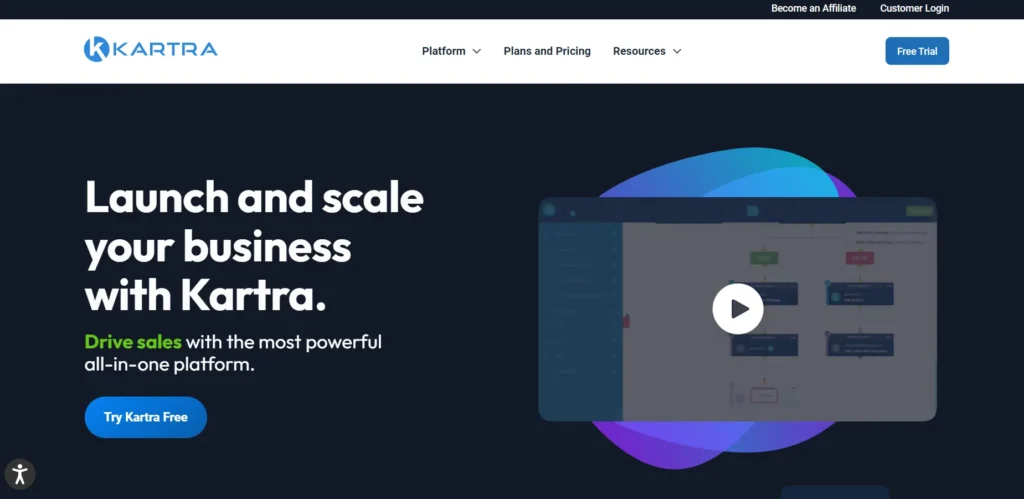
Kartra is a versatile platform that combines course creation with powerful marketing features. It provides an easy-to-use interface for building sales funnels, email marketing campaigns, and even membership sites. Kartra is ideal for those who want a platform that combines both course creation and business management tools.
How to Choose the Right Platform
Choosing the right platform depends on your specific teaching style and business needs. Consider factors like the size of your audience, the level of interactivity you want to offer, your budget, and your technical expertise. Take advantage of free trials or demos to test the features and usability before committing.
Start by outlining your goals for the platform—whether it’s to create an engaging learning experience, grow your business, or both—and match those goals with the features of the platform.
FAQs
Can I use more than one platform to host my courses?
Yes, it’s possible, but it’s often easier to manage your courses on one platform to keep things streamlined.
Are free trials available?
Most platforms offer free trials or demos, which is a great way to test them before committing.
Do I need technical skills to create courses?
No, many platforms are designed to be user-friendly with drag-and-drop builders and customizable templates.
What is the best platform for beginners?
Platforms like Teachable and Thinkific are great for beginners due to their ease of use and simple setup.
How much do online course platforms cost?
Prices vary widely, with some platforms offering free basic plans and others charging upwards of $100 per month depending on features and audience size.