
As the world continues to embrace digital transformation, more people are turning to online learning platforms to shift careers, upskill, or advance their knowledge.
Udacity, a platform known for its industry-focused, project-based learning, has become a popular choice among people looking to break into fields like data science, artificial intelligence, and programming.
But with its relatively high price tag, you might be wondering if it’s worth the investment. Let’s dive into an in-depth review of Udacity, evaluating the platform’s features, courses, pricing, and more, to help you decide if it’s the right fit for your career change in 2025.
What is Udacity?
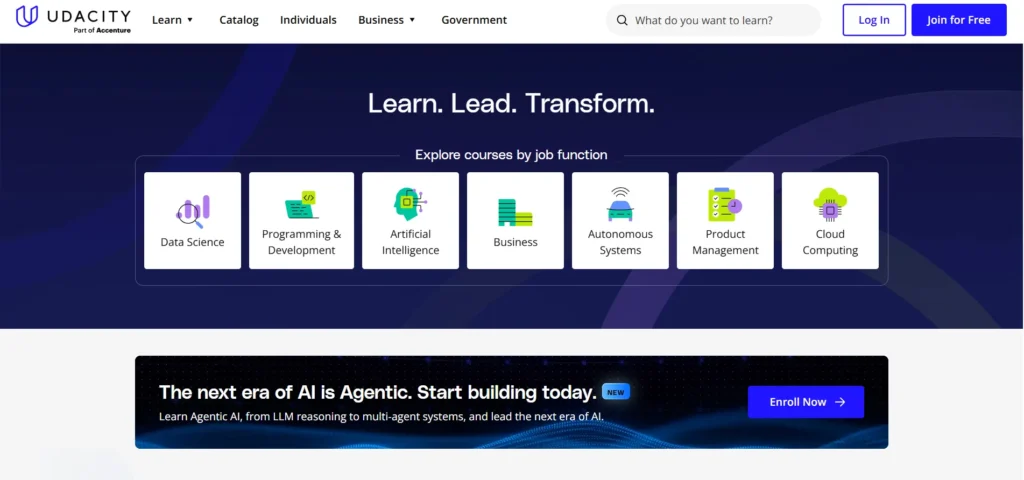
Founded in 2011 by Sebastian Thrun, David Stavens, and Mike Sokolsky, Udacity is an online learning platform designed to help individuals acquire skills that are highly sought after by employers. Unlike many other educational platforms, Udacity focuses on creating courses that provide real-world, hands-on learning experiences. The platform has gained significant attention for its “Nanodegrees” — specialized, short-term programs aimed at equipping learners with industry-relevant skills.
Udacity partners with leading companies like Google, IBM, and Facebook to ensure that its courses are aligned with current industry standards. Whether you’re a career changer or someone looking to upgrade your skills, Udacity promises an education that can lead to better job opportunities.
Key Features of Udacity
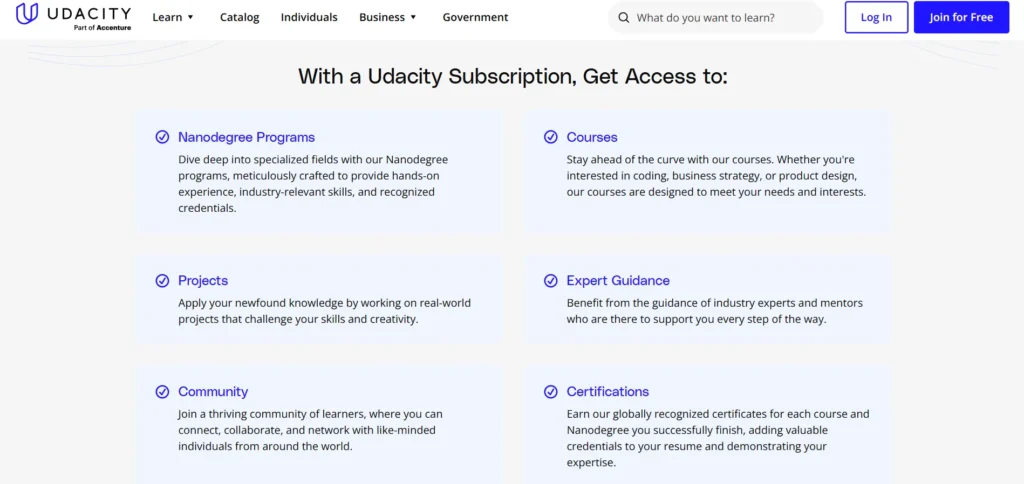
Udacity offers several features that distinguish it from other online learning platforms. Let’s explore some of the key ones.
1. Nanodegrees
One of Udacity’s standout features is its Nanodegree programs. These are specialized, certificate-based courses designed to help learners acquire specific skills in fields like data science, artificial intelligence, programming, and more. Nanodegrees are typically a few months long, depending on the amount of time you dedicate to studying, and are project-based, which gives learners hands-on experience.
2. Project-Based Learning
Instead of traditional lectures, Udacity focuses on project-based learning. This means you’ll work on real-world projects throughout your course, allowing you to apply the skills you’re learning in a practical setting. This hands-on approach is particularly beneficial for learners aiming to build a portfolio that can be showcased to potential employers.
3. Mentorship and Support
Another key feature of Udacity is the availability of mentors who guide you throughout the course. These mentors provide assistance when you’re stuck on assignments and offer advice on your career development. This support is crucial, especially for those new to tech fields, as it gives you a sense of direction and motivation.
4. Career Services
Udacity offers a range of career services, including resume reviews, interview coaching, and job search assistance. These services are geared towards helping you secure a job after completing your program. While not a guarantee of employment, they can be incredibly helpful in positioning you for success in the job market.
5. Flexible Learning Options
Udacity provides flexibility with its learning options. You can study at your own pace, which means you don’t need to worry about set class schedules. Whether you’re balancing a full-time job or family commitments, the platform lets you learn on your own terms.
6. Industry-Relevant Curriculum
Udacity is known for offering up-to-date, industry-relevant courses. The curriculum is constantly updated to reflect the latest trends and technologies in various fields. This is particularly important for those looking to break into fast-evolving fields like AI, data science, and cloud computing.
Udacity Courses and Nanodegrees Offered
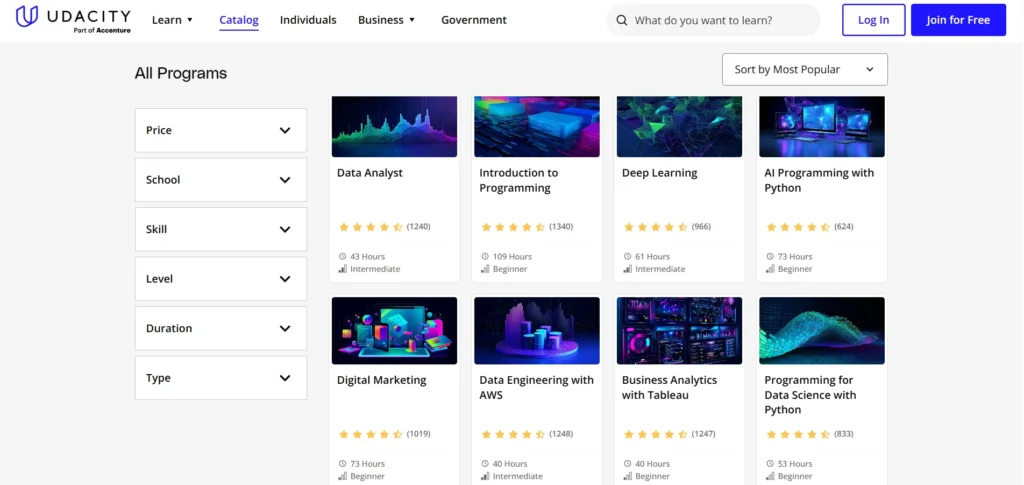
Udacity offers a wide range of courses, with many focusing on technical fields. Here’s an overview of some of the most popular courses and Nanodegrees available.
1. Data Science
Data science is one of the most in-demand fields today, and Udacity offers several Nanodegrees designed to help learners master this skill. The Data Science Nanodegree focuses on teaching students how to analyze large datasets, use machine learning algorithms, and visualize data effectively.
2. Artificial Intelligence (AI)
If you’re interested in artificial intelligence, Udacity has a specialized Nanodegree for AI. The program covers topics like machine learning, deep learning, and natural language processing, helping students build the skills needed to work on AI-related projects.
3. Programming
Udacity’s programming courses cover a range of languages and topics. The Programming Nanodegree teaches learners to code from scratch, offering courses on Python, Java, and web development, among other languages.
4. Cloud Computing
Cloud computing has become a crucial part of modern businesses, and Udacity offers programs that teach you how to work with platforms like AWS and Microsoft Azure. This course is ideal for those interested in working with cloud infrastructure and services.
5. Digital Marketing
If you’re more interested in business and marketing, Udacity’s Digital Marketing Nanodegree covers everything from search engine optimization (SEO) to social media marketing. This course is designed to help learners build a solid foundation in digital marketing techniques that are crucial for today’s online landscape.
6. Business
For learners who want to expand their business acumen, Udacity offers a variety of business-related courses, including project management, business analytics, and product management.
Udacity Pricing Structure
Udacity’s pricing can be a significant factor in deciding whether it’s the right platform for you. The cost varies depending on the program you choose and whether you’re paying monthly or upfront.
Payment Options
Most Udacity Nanodegrees are subscription-based, which means you pay a monthly fee for the duration of the program. The typical cost ranges from $399 to $799 per month. However, some courses may offer discounts or promotions, especially if you pay for the full course upfront. Udacity also offers a 7-day free trial for most programs, allowing you to test out the platform before committing to the full cost.
Though the cost is high compared to other online learning platforms like Coursera or edX, Udacity’s focus on real-world projects and mentorship justifies the price for many learners. However, if you’re on a budget, it’s important to consider whether the investment aligns with your career goals.
Pros of Udacity
1. High-Quality, Industry-Relevant Content
Udacity is known for offering high-quality content that’s updated regularly to reflect the latest industry trends. The curriculum is designed in collaboration with industry experts and leading companies, ensuring that learners acquire the skills employers are looking for.
2. Project-Based Learning
The platform’s project-based approach is one of its biggest strengths. Rather than simply watching videos and taking quizzes, learners work on real-world projects that showcase their skills. This helps build a strong portfolio, which is critical when applying for jobs.
3. Career Support
Udacity offers strong career support services, including resume reviews, interview coaching, and job placement assistance. The platform’s network of hiring partners is a valuable resource for students looking to secure their next job.
4. Flexible Learning
The self-paced nature of Udacity’s courses allows you to learn at your own speed. Whether you want to fast-track your progress or take a more relaxed approach, Udacity gives you the flexibility to set your own schedule.
5. Expert Mentorship
Udacity’s mentorship program provides direct access to industry professionals who can guide you through the learning process. This is especially helpful for those who need extra support or have questions along the way.
Cons of Udacity
1. High Cost
The biggest downside to Udacity is its cost. While it offers high-quality content and expert mentorship, the price can be a barrier for many potential learners. The monthly subscription fees can add up quickly, especially if you take longer to complete a course.
2. Limited Course Options Outside of Tech
Udacity’s focus is mainly on technical fields like data science, AI, and programming. If you’re looking for courses in areas like arts, humanities, or general business studies, Udacity might not be the best fit.
3. No Academic Credit
Unlike traditional universities, Udacity does not offer academic credit for its Nanodegrees. While the certification may help you land a job, it won’t count toward a degree at a university.
4. Inconsistent Mentor / Review Delays
While most students find the mentorship helpful, there are occasional complaints about delays in mentor responses or inconsistent feedback. This can be frustrating, especially when you’re working on time-sensitive projects.
Conclusion: Is Udacity Worth It?
Udacity offers a robust and industry-focused learning experience, especially for those looking to break into tech or advance their skills in fields like data science, AI, and programming. The high-quality, project-based curriculum, combined with expert mentorship and career support, makes it a solid choice for motivated learners who are ready to invest in their future.
However, the platform’s high cost may be a deterrent for some, and its course offerings outside of tech are limited. If you’re looking for an affordable, broad-based education, Udacity might not be the right fit. But if you’re focused on career advancement in a technical field and are willing to pay for a premium learning experience, Udacity can be a powerful tool for your career change in 2025.
FAQs
How long does it take to complete a Udacity Nanodegree?
The time it takes to complete a Nanodegree varies depending on the program and how much time you dedicate to it. On average, students complete their Nanodegree in 3 to 6 months.
Does Udacity offer a money-back guarantee?
Udacity does not offer a traditional money-back guarantee. However, it does offer a 7-day free trial for most Nanodegree programs.
Can I get a job after completing a Udacity course?
While Udacity offers excellent career support services, securing a job is not guaranteed. However, the skills learned during the course, combined with the projects you complete, will significantly improve your job prospects in the tech industry.
Are Udacity’s courses accredited?
No, Udacity’s Nanodegrees do not offer academic credit. They are industry-recognized certifications designed to help you gain practical skills for a specific career path.