
In today’s fast-paced world, online learning platforms have become a popular solution for acquiring new skills, advancing careers, and even pursuing academic credentials. Two of the most widely used platforms are Coursera and Udemy, both offering a wide array of courses, but with distinct approaches to learning.
While both platforms aim to provide high-quality education, they cater to different needs and learning styles, making it essential to understand how each platform works before choosing the one that suits you best.
Coursera partners with prestigious universities and organizations like Stanford, Yale, and Google to deliver professional, university-level courses. It offers everything from short courses to degree programs in various fields, including business, technology, healthcare, and humanities.
Its model is more academic, with structured learning paths and the potential to earn recognized certifications and degrees. Coursera is ideal for those seeking formal education and professional development, with courses often backed by well-known institutions.
On the other hand, Udemy provides a more flexible and affordable learning experience. Unlike Coursera, Udemy is not university-affiliated. Instead, it offers practical, skill-focused courses created by instructors worldwide. The platform covers a wide range of topics, from coding and digital marketing to photography and music.
Udemy’s courses are designed for learners who want to quickly acquire specific skills at their own pace, often without the need for long-term commitments or academic rigor.
In this comparison, we’ll dive into the strengths and weaknesses of both platforms to help you decide which one offers the most value for your learning goals.
Coursera
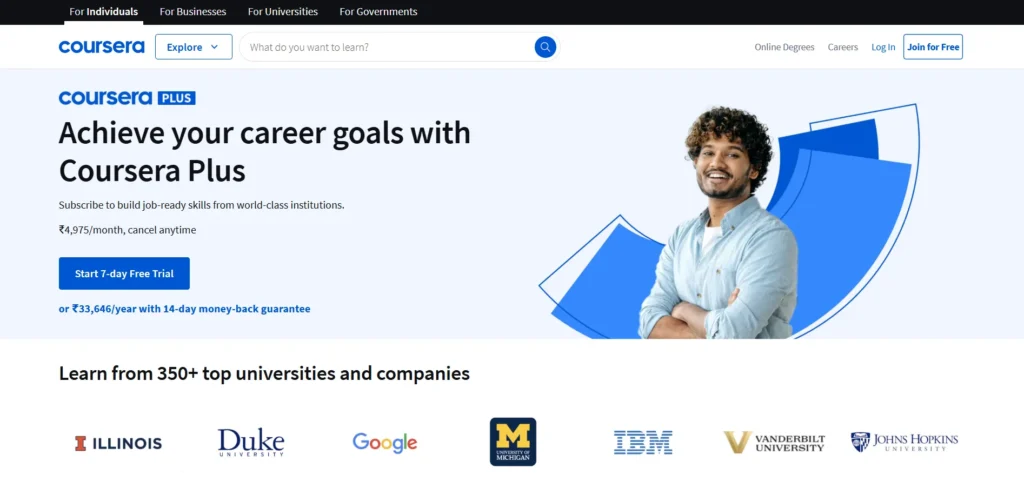
Coursera is an online learning platform that partners with top universities and organizations to offer high-quality courses, certificates, and degree programs. It focuses on academic and professional learning, providing a structured approach to education.
Courses on Coursera cover a wide range of topics, from business and technology to arts and humanities. Many courses are free to audit, but to access assignments, certificates, and more advanced features, you need to pay. Coursera also offers specializations and professional certificates in fields like data science, computer science, and digital marketing, which are recognized by employers.
For those looking to earn an accredited degree, Coursera offers online bachelor’s and master’s programs. The platform is ideal for individuals seeking a formal, comprehensive learning experience with the flexibility to learn at their own pace.
Udemy
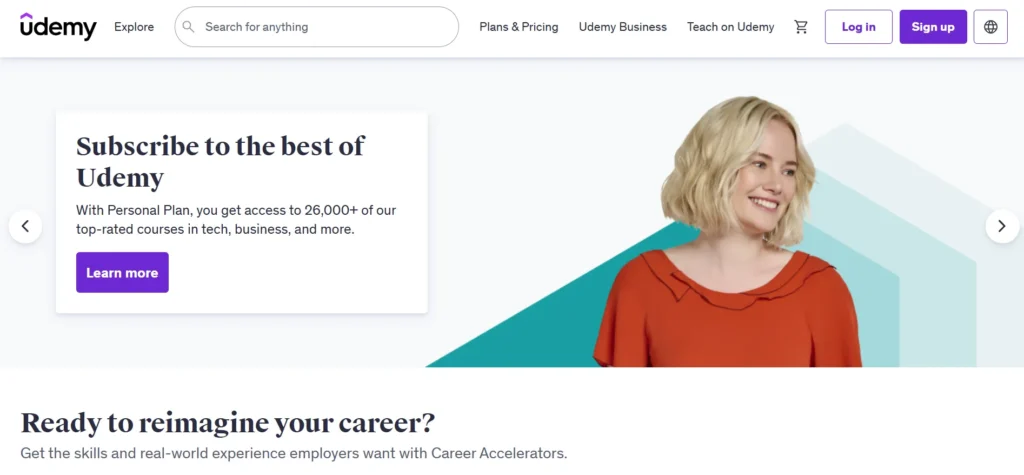
Udemy is a popular online learning platform that offers a vast library of courses, primarily focused on practical skills. The platform’s course selection spans a wide array of topics, from web development and graphic design to photography and personal development.
Unlike Coursera, which is more academic, Udemy’s courses are often less formal, and students can learn at their own pace without any deadlines. Courses are priced individually, and frequent discounts make it an affordable option for learners on a budget.
While Udemy provides certificates of completion, these are not as widely recognized in the job market compared to Coursera’s university-backed certifications. Udemy is best for those looking to quickly acquire specific skills or knowledge without a long-term commitment.
1. Course Offerings: Variety and Depth
Coursera: Professional and Academic Focus
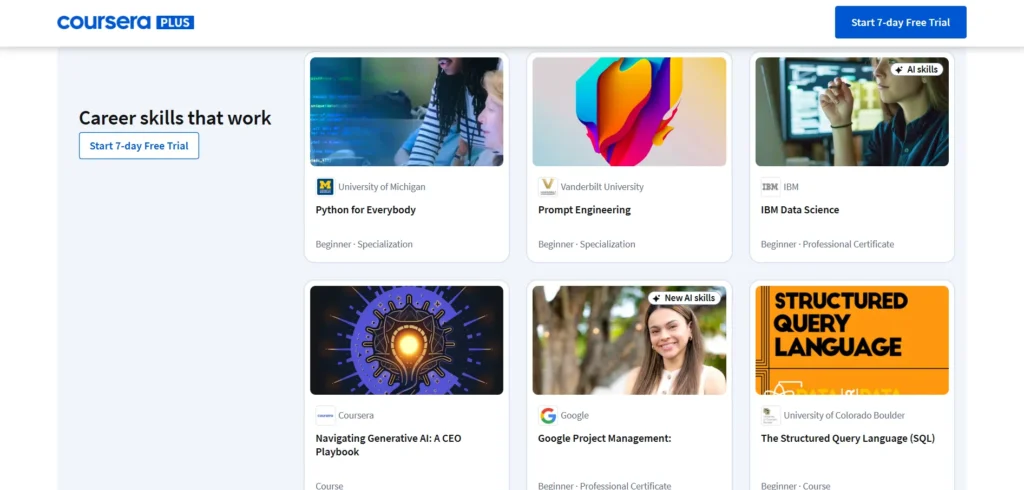
Coursera’s courses are primarily designed with a professional and academic focus. It partners with top universities and institutions like Stanford, Yale, and Google to provide high-quality content. You’ll find courses on a wide range of subjects, from data science and technology to business management and psychology.
The courses are often quite comprehensive, diving deep into the subject matter and offering a thorough understanding. Additionally, Coursera offers specialized programs, including professional certificates, degrees, and even master’s programs.
Udemy: Flexibility and Practical Skills
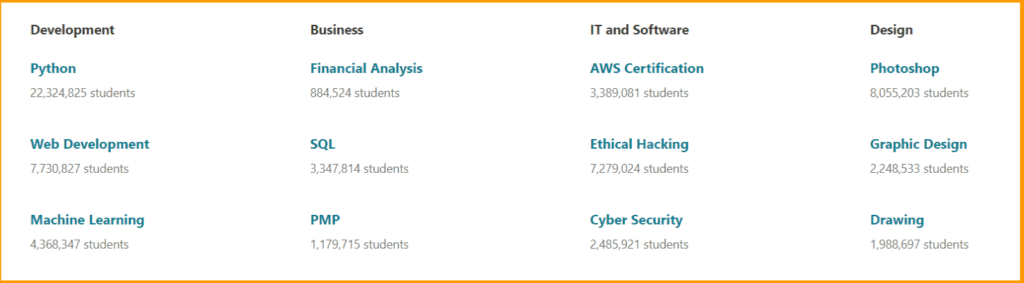
In contrast, Udemy is more focused on providing practical, skill-based courses. It has a broader range of courses, but they are often more hands-on and self-contained, designed to teach you a specific skill quickly. Topics range from web development and graphic design to cooking and photography. While Udemy also offers some in-depth courses, they are generally not as academically rigorous as those on Coursera.
Comparison:
- Depth and Expertise: Coursera provides more in-depth and academically rigorous courses, often created by university professors or experts in the field. If you’re looking for a structured learning experience and potentially a recognized qualification, Coursera is the go-to.
- Variety and Flexibility: Udemy offers a wider variety of topics, particularly practical skills, and has a greater number of instructors. It’s ideal for people looking to quickly pick up new skills without the need for extensive commitment.
2. Pricing Models: Flexibility vs. Subscription
Coursera: Premium Pricing for University-Led Learning
Coursera operates on a subscription-based model for most of its courses. The prices can vary depending on the program, but they tend to be higher because many of the courses are university-led and provide certification.
Some courses and specializations are free to audit, but to gain access to assignments, grades, and certifications, you’ll need to pay. If you want to pursue a full degree, the costs can be quite substantial, often running into the thousands of dollars.
Udemy: Pay As You Go
Udemy, on the other hand, has a simple pay-as-you-go model. Each course is priced individually, and there are frequent discounts that can reduce the cost significantly.
The prices for individual courses can range from $10 to $200, depending on the content. Since there’s no subscription fee, you only pay for the courses you want to take. This makes it a more affordable option for those who want to learn a new skill without breaking the bank.
Comparison:
- Affordability: Udemy’s pay-per-course model is cheaper upfront, especially with discounts. It’s a great option for those who want to learn something specific without committing to a large investment.
- Comprehensive Learning: Coursera’s subscription or course fees are higher, but you get access to university-level courses and degrees. If you’re serious about a particular field and want a deep dive into the subject with the possibility of a formal certification, Coursera may justify the cost.
3. Learning Experience: Structure and Flexibility
Coursera: Structured and Academic
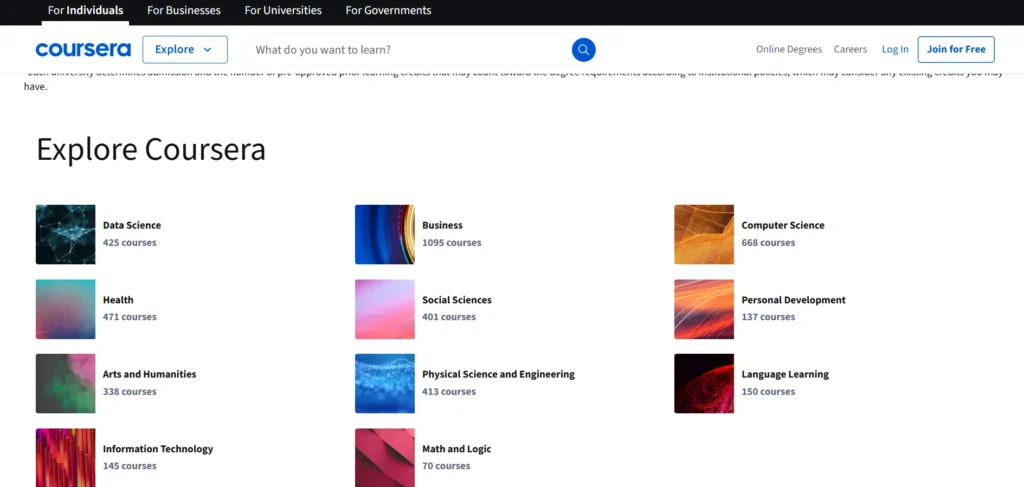
Coursera courses are typically more structured. They have set start dates, weekly assignments, quizzes, and peer-reviewed projects. Many courses even provide the option to get a certificate upon completion. If you’re enrolled in a degree program or professional certificate, expect to follow a clear, rigorous academic schedule. The courses are designed to provide a comprehensive, step-by-step learning experience.
Udemy: Self-Paced and Flexible
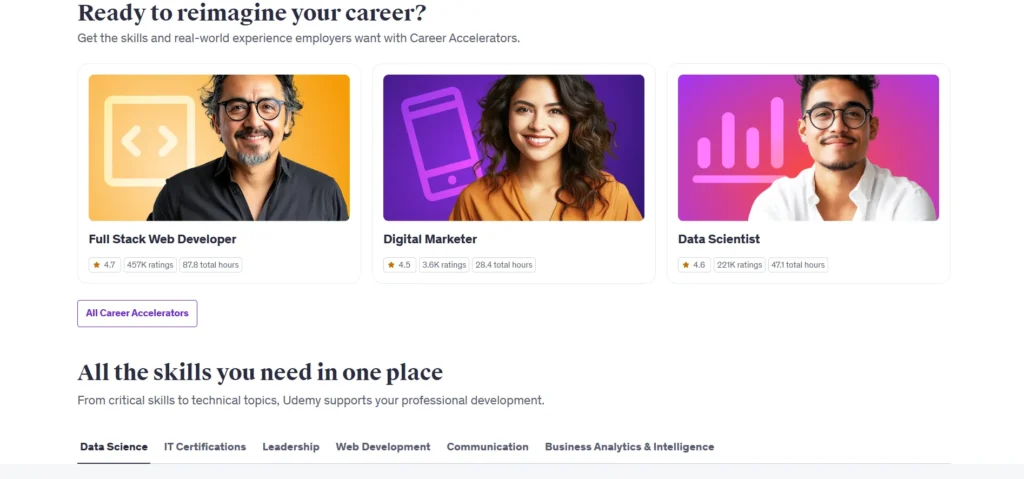
In contrast, Udemy’s courses are entirely self-paced. You can start and finish a course whenever you like, and there are no deadlines. While this provides great flexibility, it can sometimes lack the sense of urgency or structure that some learners need. Additionally, Udemy courses do not have regular assignments or exams. You watch the video lessons, and you can download course materials, but you won’t get the same level of academic support or interaction as you would on Coursera.
Comparison:
- Structure: Coursera offers more structure with deadlines and a defined schedule, which can be great for learners who want a clear path to follow.
- Flexibility: Udemy’s courses are entirely self-paced, which makes it ideal for those who want to learn on their own time. There’s no pressure to meet deadlines.
4. Certifications: Value and Recognition
Coursera: Recognized Certifications
One of Coursera’s key selling points is the value of its certifications. Coursera provides certificates that are often recognized by employers, especially if they are from universities or large organizations like Google or IBM. For example, you can earn a professional certificate in data science from IBM, or even pursue a full degree program, which carries substantial value in the job market.
Udemy: Basic Certificates
While Udemy does offer certificates of completion for its courses, they are not as widely recognized in the job market. The certificates are mainly for personal achievement and do not carry the same weight as Coursera’s university-backed certifications. If you’re looking to showcase your skills to potential employers, Coursera’s certifications will likely be more valuable.
Comparison:
- Recognition: Coursera’s certifications are more prestigious and recognized by employers, especially when they come from top universities or well-known institutions.
- Personal Growth: Udemy’s certificates are more for personal use, and while they can demonstrate that you’ve learned a new skill, they won’t hold the same weight in professional settings as Coursera’s.
5. Target Audience: Who Should Use Each Platform?
Coursera:
- Professionals Looking for a Career Change: Coursera is perfect for those who want to transition into a new field or advance their careers. The platform offers professional certificates in areas like IT, data science, and business, which can help you stand out in the job market.
- Students and Lifelong Learners: If you’re a student or someone looking to gain academic credentials, Coursera’s partnerships with universities make it an attractive option.
- Degree Seekers: Coursera offers full degree programs, which makes it ideal for those looking for an online degree in fields like business, computer science, or healthcare.
Udemy:
- Self-Learners and Hobbyists: Udemy’s vast selection of courses in topics like photography, cooking, and design is great for hobbyists or people looking to learn something for personal growth.
- Professionals Wanting Practical Skills: If you’re a professional looking to pick up a specific skill, such as coding or digital marketing, without a long-term commitment, Udemy provides a lot of value.
- Budget-Conscious Learners: Udemy is a great choice for those who want to learn new skills on a budget, as the individual courses are usually much cheaper than the subscription or degree-based models offered by Coursera.
Conclusion: Which Platform Is Right for You?
The choice between Coursera and Udemy really depends on your learning goals. If you’re looking for structured, academic learning with a recognized certificate that can boost your career, Coursera is a better fit. It’s especially valuable for professionals aiming to advance in their careers or for students who need formal qualifications.
On the other hand, if you’re someone who wants flexibility, lower costs, and the ability to learn practical skills on your own schedule, Udemy might be the better option. It’s ideal for self-learners, hobbyists, or professionals looking to gain specific skills without committing to long-term programs.
In summary, Coursera is great for in-depth, professional learning with a focus on certifications and degrees, while Udemy excels in offering affordable, flexible courses for those looking to quickly pick up new skills.
FAQs
Which platform is cheaper, Coursera or Udemy?
Udemy is generally cheaper as it uses a pay-per-course model with frequent discounts, while Coursera’s subscription or degree programs can be more expensive.
Does Udemy offer certificates that are valuable to employers?
Udemy offers certificates of completion, but they are not widely recognized by employers compared to Coursera’s university-backed certifications.
Can I earn a degree on Udemy?
No, Udemy does not offer degree programs. Coursera, however, offers full degree programs from accredited universities.
Are Coursera courses self-paced?
Some Coursera courses are self-paced, but many of the programs, especially professional certificates or degrees, follow a structured schedule with deadlines.
Which platform offers better flexibility for learning?
Udemy offers more flexibility since its courses are self-paced, while Coursera’s structured programs have deadlines and a set schedule.