

Creating an online course is a fantastic way to share your knowledge, build your brand, and generate income. Whether you’re an expert in a specific field or simply passionate about teaching, the growing demand for online education provides an opportunity for you to reach a global audience.
However, launching a successful online course requires careful planning, attention to detail, and a well-executed strategy.
The process begins with choosing the right topic, one that aligns with both your expertise and the needs of your target audience. It’s important to focus on a subject that not only excites you but also has a proven demand in the market.
Researching competitors and gauging the interest of potential students will give you a clear picture of whether your course will resonate with learners.
Building credibility is another crucial aspect. Your learners need to trust that you are an expert in the subject you’re teaching. By showcasing your qualifications, experience, and successes, you’ll be able to establish yourself as a reliable source of knowledge.
From there, it’s all about creating structured and engaging content that provides real value to your students. The best online courses are organized, easy to follow, and rich in resources that help learners apply what they’ve learned.
Additionally, picking the right platform for hosting your course, along with effective marketing strategies, will help you attract students and ensure the success of your course long-term.
10 Steps for Creating Online Courses
Creating an online course begins with selecting a well-defined and focused topic that aligns with your expertise and passion. It’s essential to ensure there’s a market for your course, so spend time researching your audience and examining competitors. This helps you understand whether there’s demand for your content.
Next, establish your credibility. Share your qualifications, experiences, or any relevant certifications to demonstrate that you’re a trusted source of information. This will make potential learners feel confident in your ability to guide them through the course material.
Once you’ve built credibility, create a detailed course outline. Break your content into digestible sections or modules that flow logically from one to the next, ensuring a smooth learning journey for your students. As you develop your course materials, focus on clarity and engagement.
Aim to present information in short, easy-to-understand lessons, and use a variety of media like videos, quizzes, and reading materials to cater to different learning styles.
Choosing the right platform is equally important. Pick one that fits your specific needs—whether it’s a user-friendly interface, customizable options, or good payment features. When it comes to marketing, use content marketing strategies, previews, and testimonials to generate interest and build trust.
Gather feedback from students regularly to make improvements, and foster a supportive community where learners can interact. Finally, to maintain relevance, update your course periodically with new information, ensuring it continues to deliver value to your audience.
1. Determine the Topic of Your Course
The foundation of any great course is a compelling and relevant topic. Choose a subject you’re passionate about and knowledgeable in. It should also address a specific problem or need within your target audience. To identify a suitable topic:
- Reflect on your expertise and experiences.
- Consider common questions or challenges people face in your area of knowledge.
- Research trending topics or gaps in existing courses.
For instance, if you’re skilled in digital marketing, a course on “Effective Social Media Strategies for Small Businesses” could attract a wide audience.
2. See if There’s a Market for Your Course
Before investing time and resources into course creation, validate the demand for your topic. This ensures you’re not creating content for an audience that doesn’t exist. To assess market demand:
- Conduct surveys or polls within your network or on social media.
- Analyze existing courses on platforms like Udemy or Coursera to see if similar topics are popular.
- Engage in online communities or forums related to your subject to gauge interest.
Validating your course idea helps you understand your audience’s needs and ensures there’s a market willing to pay for your content.
3. Establish Your Credibility as an Expert on the Course Subject
Your credibility as an instructor is crucial for attracting students. Establish trust by:
- Showcasing your qualifications, certifications, or relevant experiences.
- Sharing testimonials or case studies from past work or projects.
- Engaging in thought leadership through blogs, podcasts, or speaking engagements.
Building credibility reassures potential students that they are learning from a knowledgeable and trustworthy source.
4. Create an Online Course Outline
A well-structured course outline serves as a roadmap for both you and your students. It ensures that the content flows logically and covers all necessary topics. To create an effective outline:
- Break down your topic into modules or sections.
- List key concepts or skills to be taught in each module.
- Determine the sequence of lessons to build upon each other progressively.
A clear outline helps in content creation and provides students with a clear path to follow.
5. Create and Edit Your Course Materials
Develop engaging and informative content that aligns with your course outline. Your materials should cater to various learning styles and include:
- Videos: Short, focused lessons that explain concepts clearly.
- Written Content: Articles, transcripts, or summaries for in-depth understanding.
- Quizzes and Assignments: Interactive elements to reinforce learning.
- Supplementary Resources: PDFs, worksheets, or templates to aid practical application.
Ensure that your content is high-quality, error-free, and professionally presented. Editing is crucial to maintain clarity and engagement.
6. Choose the Right Platform
Selecting the appropriate platform to host your course is vital for its success. Consider the following when choosing a platform:
- Ease of Use: The platform should be user-friendly for both you and your students.
- Customization Options: Ability to brand your course and customize the user experience.
- Payment Integration: Support for various payment methods and currencies.
- Marketing Tools: Features like email marketing, affiliate programs, and landing pages.
Popular platforms include Teachable, Thinkific, and Kajabi. Evaluate each based on your specific needs and budget.
7. Market Your Course
Effective marketing is key to attracting students. Develop a marketing strategy that includes:
- Building an Email List: Collect emails through lead magnets like free eBooks or webinars.
- Social Media Promotion: Share valuable content and engage with your audience on platforms like Instagram, Facebook, or LinkedIn.
- Content Marketing: Write blog posts, create videos, or host podcasts related to your course topic.
- Partnerships and Affiliates: Collaborate with influencers or affiliates to expand your reach.
A well-executed marketing plan increases visibility and drives enrollments.
8. Get Feedback from Students
After launching your course, gather feedback to understand its effectiveness and areas for improvement. Methods to collect feedback include:
- Surveys and Questionnaires: Ask students about their learning experience and suggestions.
- Direct Communication: Engage with students through emails or discussion forums.
- Analytics: Monitor completion rates, quiz scores, and other metrics to assess engagement.
Incorporate this feedback to refine your course and enhance the learning experience.
9. Build a Community of Loyal Students
Creating a community fosters engagement and encourages students to complete the course. To build a community:
- Discussion Forums: Set up spaces where students can ask questions and share insights.
- Live Sessions: Host Q&A sessions or live discussions to interact with students.
- Social Media Groups: Create private groups on platforms like Facebook for ongoing support.
A strong community enhances the learning experience and can lead to positive word-of-mouth referrals.
10. Update Your Course Over Time to Keep It Fresh and Current
The learning landscape is constantly evolving, and so should your course. Regular updates ensure that your content remains relevant and valuable. To keep your course current:
- Monitor Industry Trends: Stay informed about developments in your field.
- Incorporate Student Feedback: Address common questions or areas of confusion.
- Add New Content: Introduce advanced modules or additional resources as needed.
Continuous improvement demonstrates your commitment to providing quality education.
Top Online Courses Tools
When it comes to choosing the right platform for your online course business, there are several strong contenders in 2025.
Here’s a breakdown of some of the top platforms to consider.
1. Thinkific
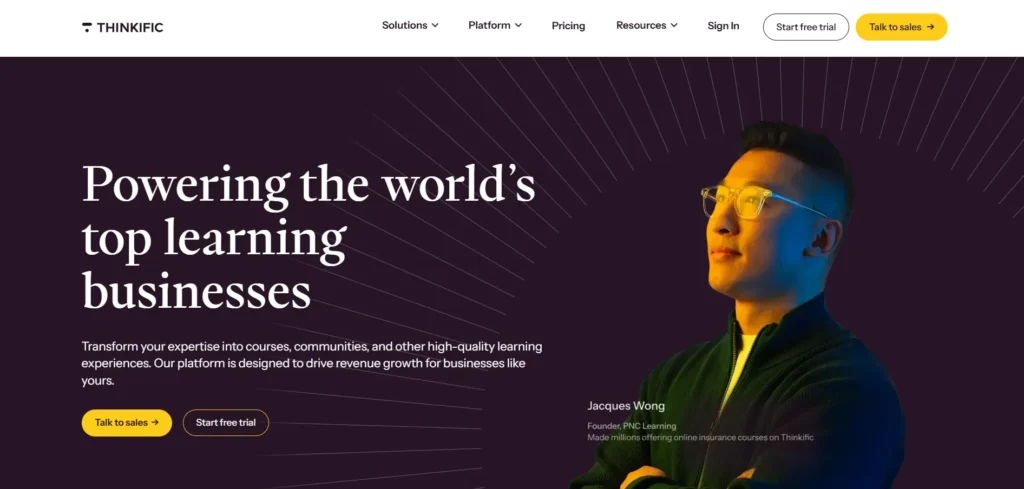
Thinkific is a leading platform known for its robust course creation tools and ease of use. It allows you to create a variety of content types, including video, quizzes, and assignments. Thinkific also offers a strong suite of marketing tools, including automated email campaigns and integrations with popular platforms like Mailchimp and Zapier.
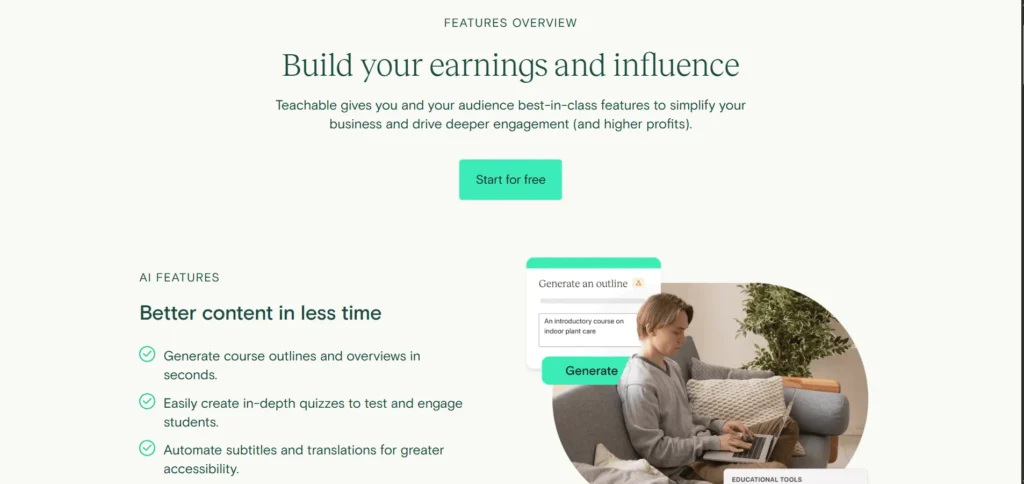
2. Teachable

Teachable is another well-known name in the online course space. It’s user-friendly and allows you to easily create and sell courses. The platform has a wide range of customization options, strong monetization features, and integrates seamlessly with third-party tools like PayPal and Stripe.
3. Kajabi

Kajabi is a powerful all-in-one platform for course creation, marketing, and sales. It provides advanced marketing tools like automated email sequences, landing pages, and sales funnels. Kajabi is particularly great for creators who want an all-inclusive solution for selling and managing their courses.
4. LearnWorlds
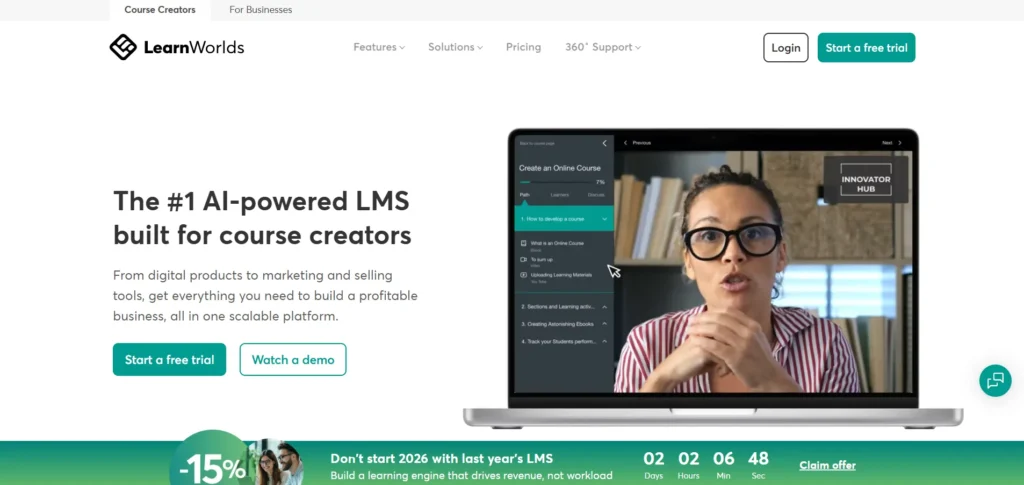
LearnWorlds stands out for its interactive features and advanced analytics. It’s designed to create highly engaging learning experiences with tools like video interactions and quizzes. LearnWorlds also provides excellent branding options and is known for its user-friendly interface.
5. Kartra
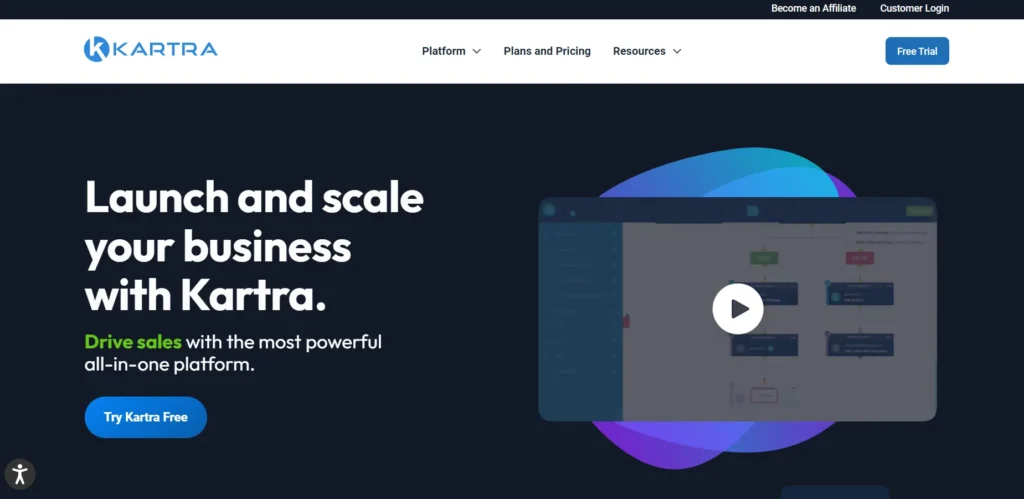
Kartra is a versatile platform that combines course creation with powerful marketing features. It provides an easy-to-use interface for building sales funnels, email marketing campaigns, and even membership sites. Kartra is ideal for those who want a platform that combines both course creation and business management tools.
FAQs
How long does it take to create an online course?
The timeline varies depending on the complexity of the topic and the amount of content. On average, it can take anywhere from a few weeks to several months to develop a comprehensive course.
Do I need technical skills to create an online course?
Basic technical skills are helpful, but many course platforms offer intuitive tools that simplify the process. Familiarity with video recording and editing software can be beneficial but is not mandatory.
How do I price my course?
Consider factors like the depth of content, market demand, and competitor pricing. Offering tiered pricing or payment plans can make your course accessible to a broader audience.
Can I update my course after it’s launched?
Absolutely. Regular updates are encouraged to keep the content relevant and to incorporate student feedback.
How can I ensure students complete the course?
Engage students with interactive content, regular assessments, and a clear course structure. Providing certificates or badges upon completion can also motivate learners to finish the course.