

Creating and selling an online course can be one of the most rewarding ways to share your expertise, build a business, and reach a global audience.
Whether you’re a seasoned professional in a specific field or someone with a passion for teaching, the rise of online learning platforms has made it easier than ever to turn your knowledge into a profitable venture. However, as simple as it sounds, creating and selling a successful online course requires careful planning and strategic execution.
From choosing the right topic to marketing your course and collecting feedback for continuous improvement, there are several essential steps to take to ensure your course stands out in a crowded marketplace. The process may seem overwhelming at first, but with the right approach, you can craft a course that not only delivers value to your students but also generates steady income for you.
This guide will walk you through each step of creating and selling an online course, from validating your ideas to launching and growing your course business.
Whether you’re a complete beginner or someone looking to refine your approach, this step-by-step guide will help you create a high-quality, profitable online course that people will love.
1. Choose a Profitable and Evergreen Topic
Choosing the right topic for your course is the first and most crucial step. If the topic is too niche, it might not attract enough interest. On the other hand, a broad topic may face stiff competition. Here’s how to narrow it down:
Assess Your Expertise
Start by considering your skills and knowledge. What do you excel at? What are you passionate about teaching? If you’re unsure, think about the problems you’ve solved in your career or hobbies. Your personal expertise is your biggest asset.
Identify Audience Pain Points
Your course should address a common pain point that people are actively seeking solutions for. For example, if you’re an expert in digital marketing, people might struggle with understanding SEO, paid ads, or email marketing.
Evaluate Market Demand
Once you’ve picked a topic, research if there’s enough demand. Check for forums, online communities, or Facebook groups related to your field. You can also search for trending topics on Google Trends to see how much interest your course subject has.
2. Validate Your Course Idea
Before diving into course creation, it’s essential to validate your idea. This helps ensure that people are genuinely interested in what you plan to offer.
Conduct Surveys
A great way to test if your audience is interested is by conducting surveys. Platforms like SurveyMonkey or Google Forms can help you gather insights from potential students about what they would want to learn.
Engage on Social Media
Engaging with people on social media platforms like Instagram or LinkedIn can help you gauge interest. Post polls, questions, or teaser content to see if there’s demand.
Offer a Free Webinar
Host a free webinar or live Q&A to give people a taste of your teaching style. This gives you the chance to refine your course idea while building an audience who may be interested in purchasing the full course later.
3. Define Clear Learning Outcomes
A well-defined learning outcome ensures that students know exactly what they will gain from your course.
Skills and Knowledge Acquisition
Focus on the skills or knowledge students will acquire by the end of the course. For example, if you’re teaching photography, a learning outcome might be, “By the end of this course, you will be able to shoot professional-quality portraits using just a smartphone.”
Behavioral Changes
Consider what kind of change you want to see in your students’ behavior. If your course is about fitness, you might aim for them to adopt healthier habits after completing the course.
4. Structure Your Course Content
The way you structure your course is vital for its success. A well-organized course will keep students engaged and make the learning experience smoother.
Break It Down Into Modules and Lessons
Divide your course into smaller modules and lessons. Each module should cover a specific aspect of your topic, while lessons focus on key points within that module. This makes it easier for students to digest information.
Use a Variety of Content Formats
Different learners absorb information in different ways. So, mix up your content. Use videos, slides, downloadable PDFs, quizzes, and even text-based lessons to keep things engaging.
Make it Interactive
Interactive content, such as quizzes and assignments, will help students engage more deeply with the material. It also gives them a chance to test their knowledge.
5. Choose the Right Course Platform
There are several platforms where you can host and sell your course. Choosing the right one depends on your needs, such as ease of use, pricing, and features.
Teachable
Teachable is a great choice for beginners. It’s easy to use and offers a wide range of features, such as course creation tools, payment processing, and customizable design options.
Udemy
Udemy is one of the largest online course marketplaces. While it gives you access to a massive audience, it does come with strict pricing rules and revenue sharing.
Kajabi
Kajabi is an all-in-one platform that lets you create, market, and sell your course. It’s best suited for those who plan to expand their course business and need advanced marketing tools.
6. Create High-Quality Course Materials
Quality is key when it comes to online learning. You need to create materials that are clear, professional, and easy to follow.
Invest in Good Equipment
Investing in a good microphone and camera can make a huge difference in your course’s quality. Poor audio or video quality can make it hard for students to focus and learn effectively.
Edit Your Videos
Editing is just as important as recording. Remove any unnecessary content, cut out awkward pauses, and ensure that the final product is clear and concise.
Use Visual Aids
Adding visual aids such as graphics, slides, and charts can help make complex topics easier to understand. For example, if you’re teaching a finance course, visual aids like pie charts or graphs can explain concepts better than text alone.
7. Set a Realistic Pricing Strategy
Pricing your course correctly is crucial to attracting buyers while ensuring you’re compensated fairly for your work.
Market Research
Research what similar courses are charging. This will help you set a competitive price and avoid underpricing your content.
Understand Your Costs
Make sure to factor in the costs of creating your course, such as software, marketing, and platform fees. You don’t want to end up in the red.
Test Different Price Points
It’s a good idea to test different pricing strategies, such as offering an introductory price or bundling multiple courses together.
8. Develop a Marketing Plan
Marketing is essential to your course’s success. You can have the best course in the world, but without a solid marketing plan, it’s unlikely people will know about it.
Build an Email List
Start collecting email addresses from day one. Create a landing page to collect leads, and offer a free resource (like an ebook or checklist) in exchange for their email. Once you have a list, you can start nurturing leads with valuable content and promotions.
Leverage Social Media
Use platforms like Instagram, YouTube, LinkedIn, or Facebook to promote your course. Create engaging content that speaks directly to your target audience. Share testimonials, behind-the-scenes content, and course previews to generate interest.
Use Influencers or Affiliates
Partner with influencers or affiliate marketers who already have an audience in your niche. Offering them a commission for each sale can help you reach a broader audience quickly.
9. Launch Your Course
The launch of your course is a critical moment that can set the tone for its success.
Pre-Launch Buzz
Before you officially launch, create excitement around your course. Tease it on social media, share behind-the-scenes content, and offer early-bird discounts to build anticipation.
Launch Day
On launch day, go all in. Announce the course through email, social media, and any other channels you use. Make sure to have a strong call-to-action and offer a limited-time discount or bonus to incentivize early sign-ups.
Post-Launch Follow-Up
After the launch, follow up with people who expressed interest but didn’t buy. Offer them a final chance to join at a discount or with a bonus.
10. Collect Feedback and Iterate
Once your course is live, the work isn’t over. Gathering feedback and making improvements will help you continually improve the learning experience and increase sales.
Request Reviews
Encourage students to leave reviews and testimonials. Positive feedback can help convince future students to enroll.
Analyze Data
Use analytics tools to track how students are interacting with your course. Are they completing the modules? Where do they drop off? This information will help you optimize your content.
Update Regularly
To keep your course relevant, update it regularly. Adding new modules, videos, or lessons will show that you’re committed to offering the best value for your students.
Top Online Courses Tools
When it comes to choosing the right platform for your online course business, there are several strong contenders in 2025. Here’s a breakdown of some of the top platforms to consider.
1. Thinkific

Thinkific is a leading platform known for its robust course creation tools and ease of use. It allows you to create a variety of content types, including video, quizzes, and assignments. Thinkific also offers a strong suite of marketing tools, including automated email campaigns and integrations with popular platforms like Mailchimp and Zapier.
2. Teachable
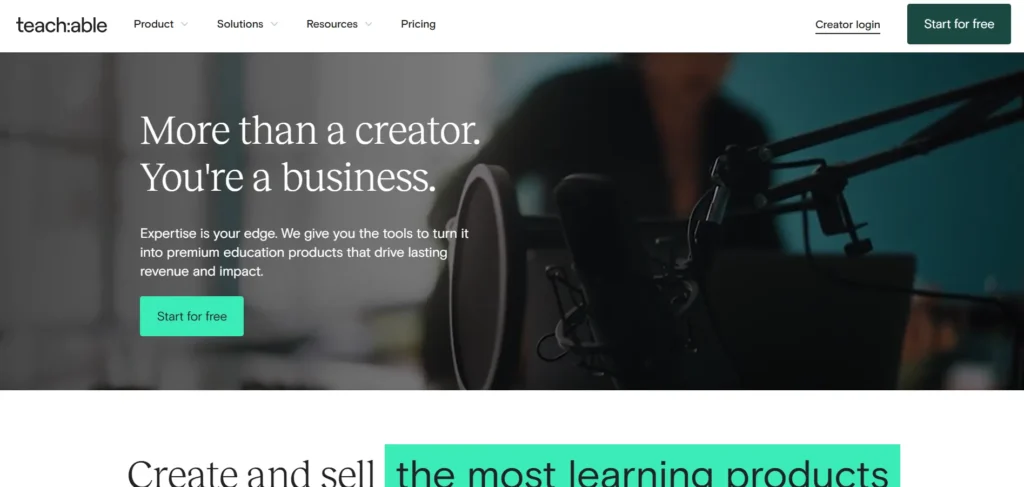
Teachable is another well-known name in the online course space. It’s user-friendly and allows you to easily create and sell courses. The platform has a wide range of customization options, strong monetization features, and integrates seamlessly with third-party tools like PayPal and Stripe.
3. Kajabi
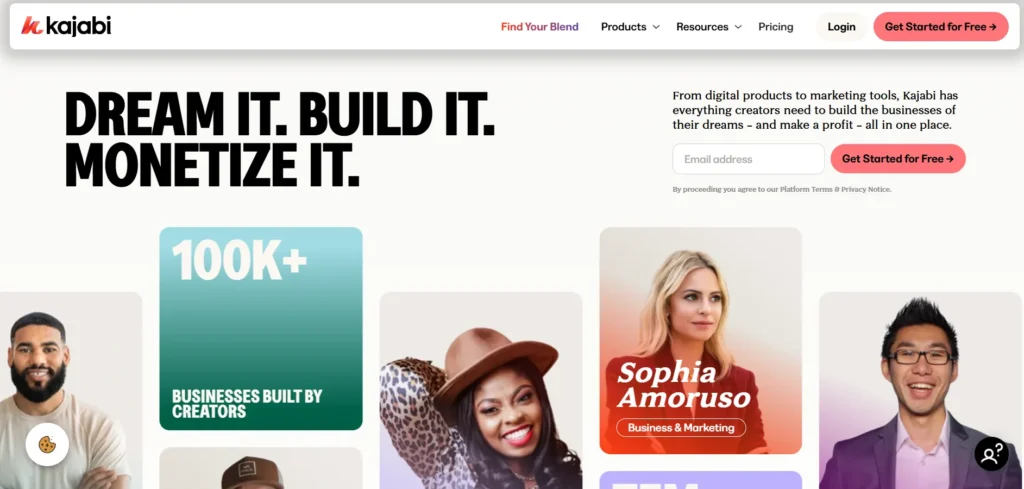
Kajabi is a powerful all-in-one platform for course creation, marketing, and sales. It provides advanced marketing tools like automated email sequences, landing pages, and sales funnels. Kajabi is particularly great for creators who want an all-inclusive solution for selling and managing their courses.
4. LearnWorlds
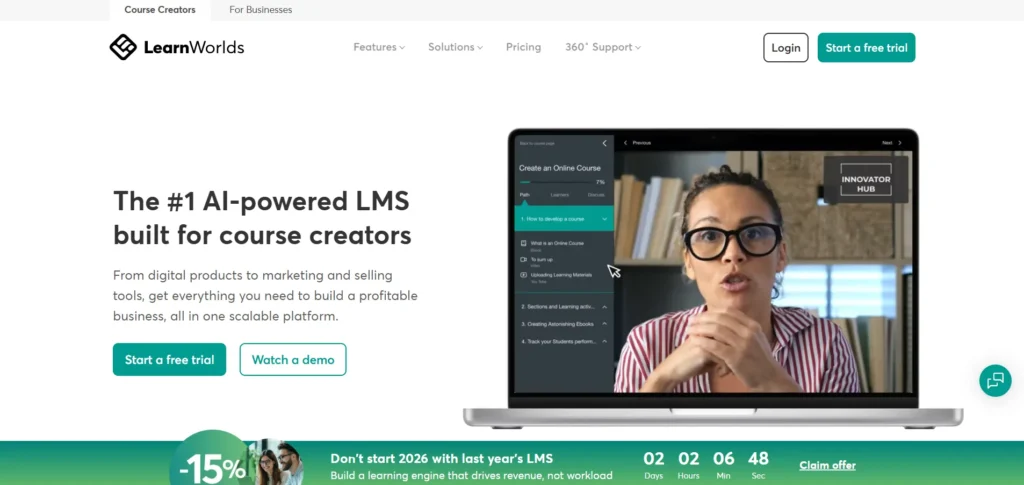
LearnWorlds stands out for its interactive features and advanced analytics. It’s designed to create highly engaging learning experiences with tools like video interactions and quizzes. LearnWorlds also provides excellent branding options and is known for its user-friendly interface.
5. Kartra
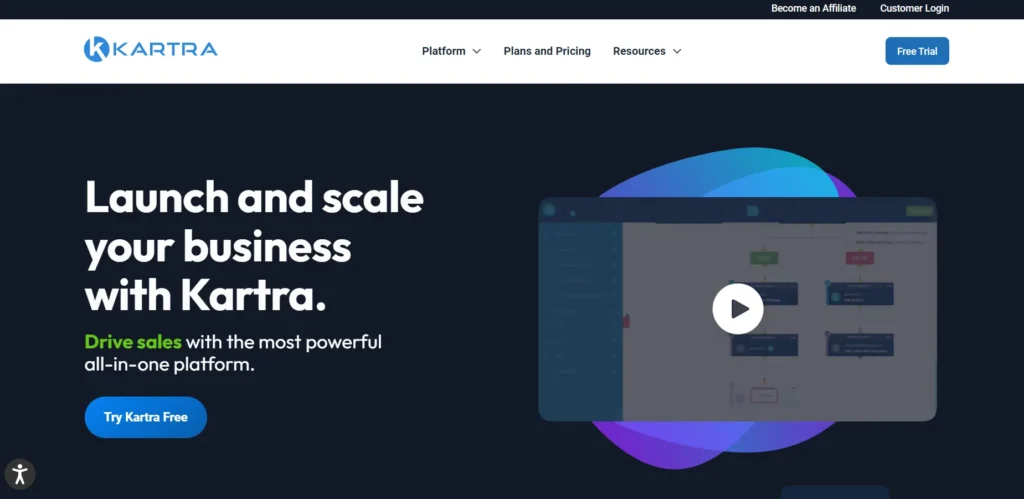
Kartra is a versatile platform that combines course creation with powerful marketing features. It provides an easy-to-use interface for building sales funnels, email marketing campaigns, and even membership sites. Kartra is ideal for those who want a platform that combines both course creation and business management tools.
Conclusion
Creating and selling an online course can be an immensely rewarding experience, both personally and financially. By following these steps—choosing a profitable topic, validating your ideas, creating engaging content, and effectively marketing your course—you’re on your way to success.
Remember, the key is to provide value to your students and continuously improve your course based on their feedback. The process may take time, but with patience and effort, you can build a thriving online course business.
FAQs
How long does it take to create an online course?
It can take anywhere from a few weeks to several months, depending on the complexity of your content and the time you dedicate to it.
Do I need technical skills to create an online course?
You don’t need to be a tech expert, but basic knowledge of video editing and course creation platforms can be helpful. Many platforms are beginner-friendly.
How do I promote my online course?
You can promote your course through email marketing, social media, partnerships with influencers, and paid ads.
How much should I charge for my course?
Pricing depends on your niche, the value you provide, and competitor pricing. Start by researching similar courses and adjust based on your content’s depth.
Can I update my course after it’s launched?
Yes, you should regularly update your course to ensure it stays relevant and valuable to students.