

Creating a successful online course requires more than just sharing knowledge. With the rapid evolution of online learning platforms and the increasing expectations of learners, the way we structure and design courses needs to be both strategic and innovative. In 2025, creating an effective online course involves much more than presenting material—it’s about ensuring learners are engaged, supported, and motivated from start to finish.
In this article, we’ll explore 10 key strategies that will help you structure an online course that not only delivers knowledge but fosters a deeper, more enriching learning experience.
1. Start with Clear Learning Outcomes
One of the most crucial steps when designing an online course is defining clear learning outcomes. This provides the roadmap for both the instructor and the learners, ensuring that the course has a clear purpose. Without defined outcomes, learners may feel aimless, and instructors might struggle to structure lessons effectively.
Why It’s Important
Learning outcomes outline what the learners will know, understand, or be able to do by the end of the course. They act as the foundation upon which all other elements of the course will be built. Whether you’re teaching a technical skill, offering personal development, or providing academic content, these outcomes will direct the course content, assessments, and activities.
How to Set Them
Start with broad, high-level outcomes and break them down into specific, measurable skills or knowledge. For example, rather than stating “understand the basics of programming,” a clear outcome would be, “By the end of the course, students will be able to write basic Python scripts to solve mathematical problems.” This focus on clarity ensures that learners know exactly what they can expect to achieve and how they will be assessed.
2. Organize Content into Manageable Modules
Online learners often appreciate clear, structured courses that are broken into digestible chunks. This helps prevent feeling overwhelmed and allows learners to move at their own pace. Organizing your course into manageable modules—each focusing on a specific theme or skill—ensures a logical flow that makes the material more approachable.
Why It’s Important
Breaking the course content into smaller, manageable modules allows learners to absorb information without feeling overloaded. Each module should build upon the last, reinforcing key ideas and enabling learners to develop their skills progressively.
How to Structure It
Consider dividing your course into several modules, each focusing on a specific learning objective. For example, if you’re teaching digital marketing, one module could cover SEO fundamentals, while another explores social media strategies. Between each module, include a small quiz or activity to reinforce what the learners have just absorbed.
3. Incorporate Interactive Elements
The days of passive learning are long gone. In 2025, learners expect courses that engage them actively. Simply presenting information in videos or slides won’t suffice. To create an engaging online course, it’s essential to incorporate interactive elements that keep learners engaged and allow them to apply their knowledge.
Why It’s Important
Interactive elements increase engagement, encourage active learning, and provide immediate feedback. Active learning is proven to help students retain information more effectively. Additionally, allowing learners to engage directly with the content helps them feel more involved and invested in their learning experience.
How to Implement It
Incorporate a variety of interactive activities such as quizzes, polls, discussion forums, peer assessments, and real-world projects. For example, after a lesson on marketing analytics, you might ask learners to analyze a set of data and submit their conclusions, or join a discussion on their interpretations of the data.
Interactive elements can also include gamified components like points, badges, or challenges that provide learners with an opportunity to earn rewards as they progress through the course.
4. Use Learner-Centered Language
The language used in your course should always be learner-centered. This means addressing your learners directly and speaking in a conversational, approachable tone. Avoid using overly complex language or jargon that might confuse or alienate your audience. The goal is to make learners feel at ease, so they can focus on absorbing the content.
Why It’s Important
When learners feel like the material is speaking directly to them in a way that’s accessible, they are more likely to stay engaged and motivated. Using inclusive, relatable language helps create a welcoming learning environment.
How to Adapt It
To ensure your language is learner-centered, write content as if you’re speaking directly to the learner. Use “you” and “your” throughout the course to maintain a direct and personal tone. For instance, instead of saying, “The learner must understand these concepts,” say, “You will learn how to use these concepts in practical situations.”
It’s also essential to keep sentences short and clear. Avoid long, convoluted explanations and break down complex ideas into easy-to-understand language.
5. Provide Clear Navigation and Support
A well-structured online course should be easy to navigate. Complicated course layouts or hard-to-find materials can frustrate learners and reduce their motivation to complete the course. Providing clear, user-friendly navigation ensures that learners can find what they need when they need it.
Why It’s Important
Clear navigation improves the overall user experience and reduces the likelihood of learners dropping out. It also ensures that learners don’t waste time searching for content, which can detract from their learning experience.
How to Improve Navigation
Make sure the course content is well-organized with a simple, intuitive structure. Use a navigation bar, clear headings, and a table of contents so learners can easily find specific lessons, modules, and supplementary materials. Additionally, include a course overview at the beginning to guide learners on what to expect.
Support is just as important as navigation. Provide learners with resources like FAQs, discussion forums, and easy access to help when they encounter difficulties. This gives learners a safety net, making them more likely to continue even if they face obstacles.
6. Incorporate Gamification to Boost Engagement
Gamification is an excellent way to increase learner engagement and motivation. It leverages game mechanics like points, badges, and leaderboards to create a sense of competition, achievement, and progress. By integrating these elements into your course design, you can significantly enhance the learner experience.
Why It’s Important
Gamification taps into human psychology by using rewards, challenges, and competition to motivate learners. It’s proven to boost engagement, improve retention, and increase the likelihood that learners will complete the course.
How to Use It
Add elements such as badges for completing modules, a point system for each quiz or activity, or a leaderboard for learners who score the highest. This gives learners a tangible sense of progress, which motivates them to keep moving forward. For example, after completing each module, learners can earn a badge that marks their progress. A leaderboard can foster friendly competition and drive learners to perform their best.
7. Offer Personalized Learning Paths
In 2025, a one-size-fits-all approach no longer meets the needs of most learners. Each learner has different prior knowledge, learning preferences, and goals. Offering personalized learning paths allows students to tailor their experience based on their individual needs and interests.
Why It’s Important
Personalization makes the learning experience more relevant to each learner. It can increase engagement by allowing students to follow a path that aligns with their personal goals and interests.
How to Create Personalized Learning Paths
To offer personalized learning paths, consider providing options for learners to choose from based on their skill level or area of interest. For instance, beginners might start with basic topics, while more advanced learners could dive into specialized content. You could also allow learners to choose elective topics, giving them the freedom to customize their learning journey.
Automating the delivery of content based on learners’ progress can also help. For example, a learner who excels in a particular module can be fast-tracked to more advanced content, while someone struggling might be offered additional resources or remedial lessons.
8. Build a Strong Community Around Your Course
Building a community around your online course is vital for learner engagement and retention. It provides learners with a sense of connection and belonging, which can be a powerful motivator to complete the course. A thriving community also encourages knowledge sharing, peer support, and collaboration.
Why It’s Important
Learners are more likely to stay engaged if they feel like part of a community. Peer interactions can also enhance the learning experience by offering different perspectives, feedback, and emotional support.
How to Build It
Create spaces where learners can interact with one another, such as discussion forums, group projects, or social media groups. Encourage students to share ideas, ask questions, and provide feedback. Facilitating peer-to-peer support fosters a collaborative learning environment where students can learn from each other, not just from the course material.
9. Provide Timely and Constructive Feedback
Feedback is crucial to helping learners improve and stay motivated. Timely, constructive feedback allows learners to reflect on their progress, identify areas for improvement, and understand where they’ve excelled.
Why It’s Important
Learners crave feedback to understand how they’re progressing. When feedback is timely and specific, learners can adjust their approach and improve before moving too far along in the course.
How to Deliver Feedback
Make sure to provide feedback quickly after assessments or assignments. Highlight both the strengths and weaknesses of each learner’s submission, offering specific, actionable suggestions for improvement. For instance, if a student’s project needs work, instead of just saying, “Needs improvement,” provide details, such as, “Try to focus more on the clarity of your argument and provide examples from the lesson to support your points.”
10. Continuously Evaluate and Improve Your Course
The best courses are constantly evolving. As technology advances, teaching methods improve, and learner expectations change, you should continually evaluate and improve your course to ensure it remains relevant and effective.
Why It’s Important
Regular evaluation allows you to address any gaps in your course material, adapt to changing learning trends, and incorporate new technologies or teaching tools. It ensures that your course remains high-quality and valuable to learners.
How to Evaluate and Improve
Collect feedback from learners regularly through surveys, focus groups, or course analytics. Track metrics like engagement, completion rates, and assessment performance to spot areas where learners may be struggling. Use this data to tweak your content, improve teaching methods, and keep your course up-to-date.
Top Online Courses Tools
When it comes to choosing the right platform for your online course business, there are several strong contenders in 2025.
Here’s a breakdown of some of the top platforms to consider.
1. Thinkific
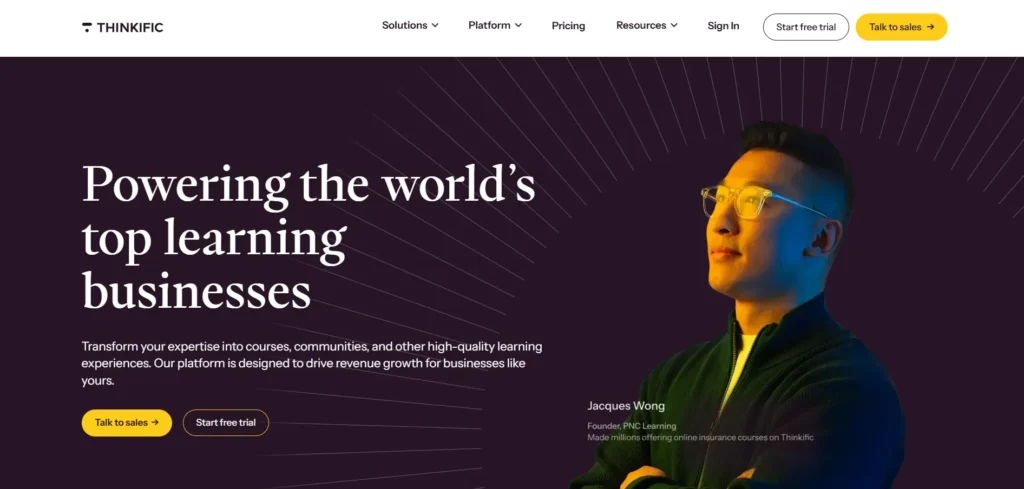
Thinkific is a leading platform known for its robust course creation tools and ease of use. It allows you to create a variety of content types, including video, quizzes, and assignments. Thinkific also offers a strong suite of marketing tools, including automated email campaigns and integrations with popular platforms like Mailchimp and Zapier.
2. Teachable

Teachable is another well-known name in the online course space. It’s user-friendly and allows you to easily create and sell courses. The platform has a wide range of customization options, strong monetization features, and integrates seamlessly with third-party tools like PayPal and Stripe.
3. Kajabi

Kajabi is a powerful all-in-one platform for course creation, marketing, and sales. It provides advanced marketing tools like automated email sequences, landing pages, and sales funnels. Kajabi is particularly great for creators who want an all-inclusive solution for selling and managing their courses.
4. LearnWorlds
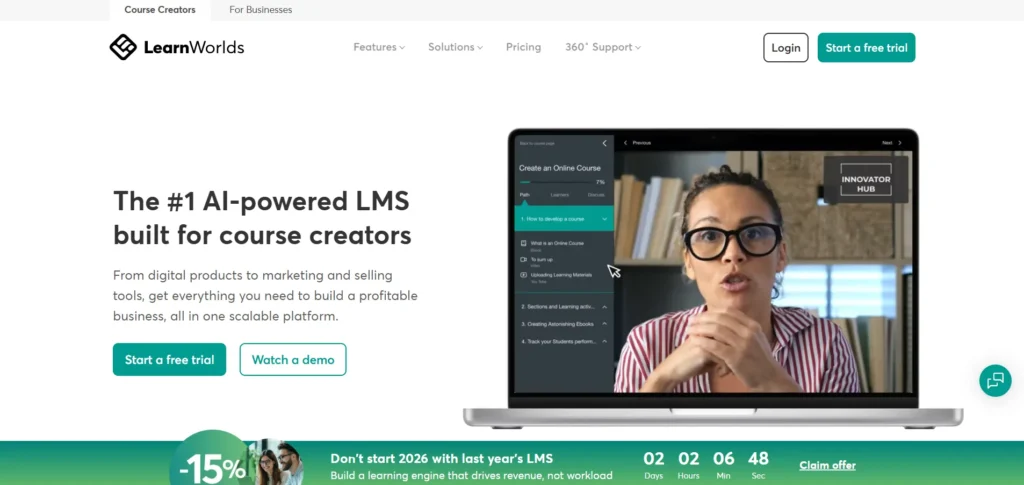
LearnWorlds stands out for its interactive features and advanced analytics. It’s designed to create highly engaging learning experiences with tools like video interactions and quizzes. LearnWorlds also provides excellent branding options and is known for its user-friendly interface.
5. Kartra
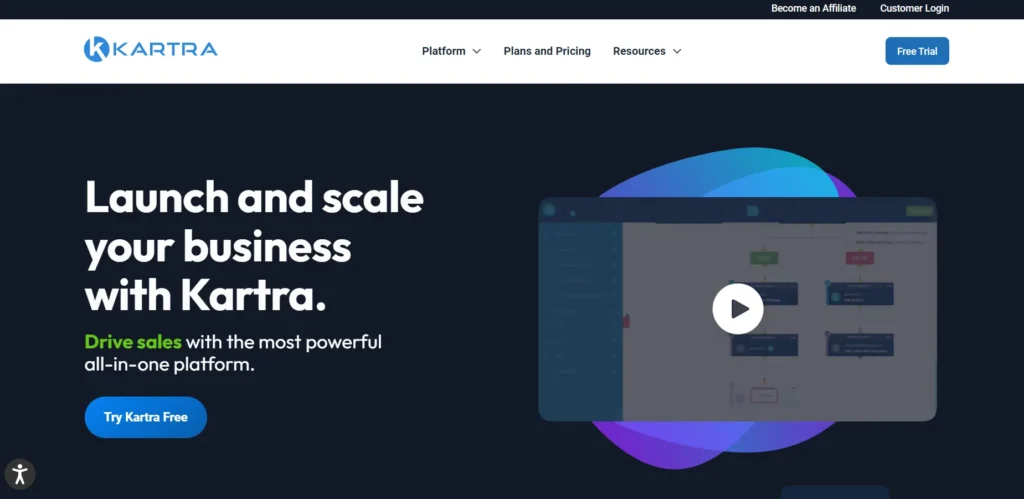
Kartra is a versatile platform that combines course creation with powerful marketing features. It provides an easy-to-use interface for building sales funnels, email marketing campaigns, and even membership sites. Kartra is ideal for those who want a platform that combines both course creation and business management tools.
Conclusion
Designing an online course that delivers results is no easy task. However, by following these 10 strategies, you can create an engaging, well-structured course that motivates learners and delivers lasting value. Start with clear learning outcomes, break content into manageable modules, and provide opportunities for interaction and feedback.
Remember to foster a sense of community, use learner-centered language, and embrace personalization to keep your learners engaged. By continuously evaluating and improving your course, you’ll ensure its long-term success.
FAQs
What are the most important elements of an online course?
The most important elements include clear learning outcomes, engaging content, interactive elements, personalized learning paths, and timely feedback.
How can I keep my learners engaged?
You can keep learners engaged by incorporating interactive elements, gamification, and a strong community that encourages collaboration and support.
What’s the best way to provide feedback?
Provide specific, timely, and constructive feedback, focusing on both strengths and areas for improvement.
How do I personalize an online course?
Personalize by offering learners the option to choose their learning paths, allowing them to select topics based on their interests or skill level.
How can I improve my course over time?
Regularly evaluate the course through feedback and analytics, and make adjustments based on learner performance and emerging trends.