
In today’s world, online learning has become more than just a convenience — it’s a way to reinvent how we grow, work, and create. But with hundreds of platforms available, choosing where to learn can feel overwhelming. Two popular names that often come up are Udemy and Kadenze.
Both promise access to great courses and flexible learning, yet their goals are quite different. Udemy is built around affordability and variety, while Kadenze focuses on structured creativity and academic depth.
This detailed comparison will help you understand how each platform works, what they offer, and which one might truly fit your goals.
1. Platform Overview
What is Udemy?
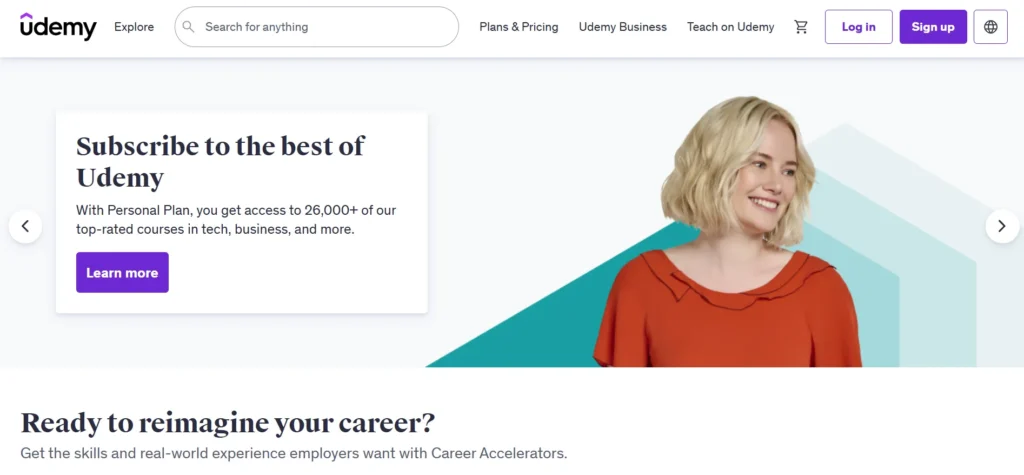
Udemy is one of the largest online learning platforms in the world. It was founded in 2010 with a simple idea: anyone can teach, and anyone can learn from anywhere. Over the years, it has grown into a vast online marketplace with millions of learners and instructors.
On Udemy, individual teachers and professionals create and upload their own courses. These can cover anything from technical skills like coding or Excel, to creative skills such as photography, writing, or even music production. Each course is priced separately, giving learners the freedom to pick what suits them.
Udemy’s greatest strength is accessibility — you can find a course on nearly any topic imaginable, often at a very affordable rate.
What is Kadenze?
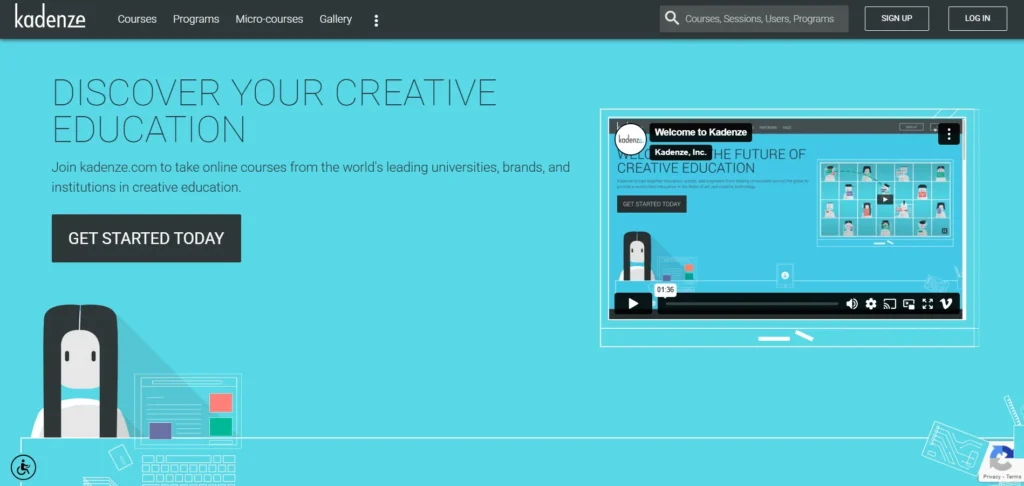
Kadenze takes a very different approach. Launched in 2015, Kadenze focuses on creativity, arts, and technology — fields often underrepresented in typical online learning marketplaces. It partners with universities and institutions to deliver structured courses taught by academics and professionals from creative industries.
Unlike Udemy’s open-market style, Kadenze curates its course library carefully. The platform features subjects like music technology, creative coding, animation, design, and media arts. It also offers programs that combine multiple courses, allowing learners to develop deep, specialized skills.
In essence, where Udemy is about access, Kadenze is about focus.
2. Course Offerings and Course Quality
Udemy Course Variety
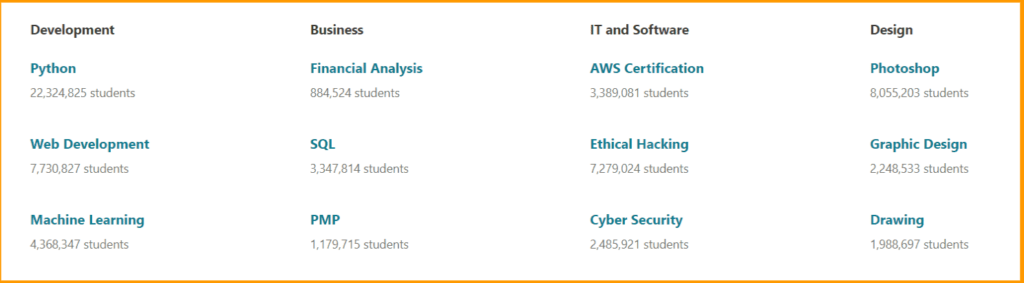
If there’s one thing Udemy is known for, it’s variety. The platform offers hundreds of thousands of courses across countless categories. You’ll find lessons on web development, marketing, business, finance, productivity, health, photography, and beyond.
The platform’s open-market model means anyone who meets Udemy’s standards can become an instructor. This freedom fuels the platform’s diversity — but it also means quality can vary from one course to another. Some courses are made by experienced professionals, while others might be put together by newcomers.
Still, Udemy’s user rating and review system helps learners filter out weaker courses. High-rated and frequently updated courses tend to deliver excellent value, especially for beginners or those who want to gain job-ready skills quickly.
In short, Udemy offers a supermarket-style experience: a lot of choice at different price points, where you’re responsible for picking the best options.
Kadenze Course Variety
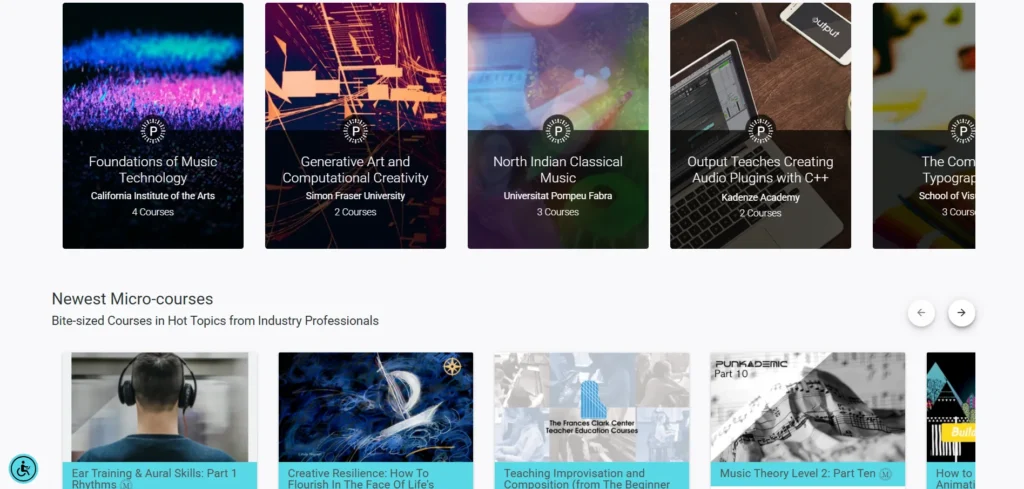
Kadenze’s library is smaller, but much more specialized. It focuses on areas where creativity meets technology — art, music, animation, design, and programming for artists. You’ll find courses like Generative Art and Computational Creativity, Sound Production in Ableton Live, or Machine Learning for Musicians and Artists.
These are not basic or hobby-level classes. They’re academic-style courses created in partnership with universities like California Institute of the Arts, Goldsmiths University of London, and Princeton. Each course follows a syllabus that resembles college coursework, with lectures, readings, and creative assignments.
The quality of instruction on Kadenze is consistently high because it’s curated and institution-backed. Instead of relying on user reviews, learners can trust the credibility of universities and instructors behind each course.
If Udemy is a buffet of global learning, Kadenze is a curated art studio — smaller, but intentional and deeply engaging.
3. Learning Experience
Udemy Learning Experience
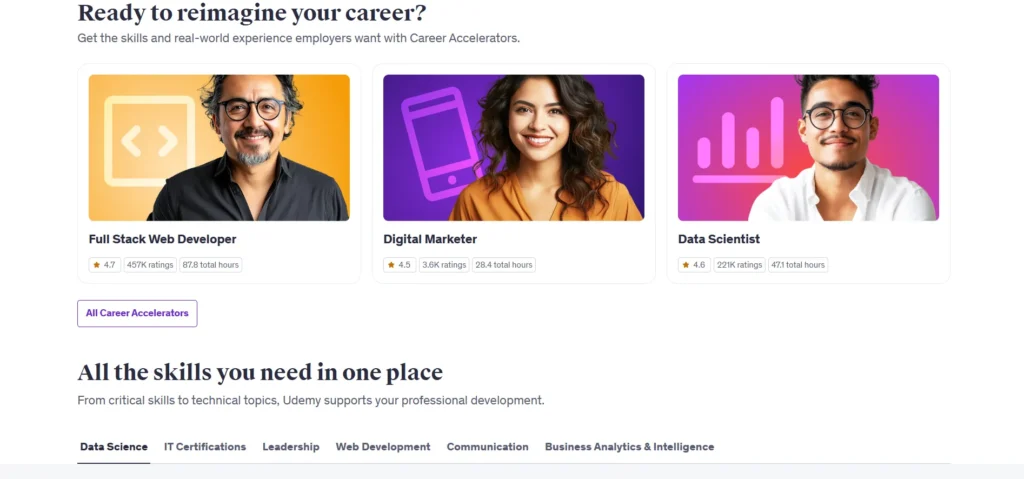
Udemy’s learning format is simple: you buy a course and get access to a series of pre-recorded video lessons. Many courses include quizzes, downloadable resources, and sometimes small projects. The pace is entirely up to you.
You can pause, skip, or rewatch lessons anytime. This flexibility makes Udemy ideal for people with busy schedules. Most learners use it to pick up practical skills, like mastering Excel, learning Python, or improving public speaking.
However, Udemy doesn’t always provide structured progression. You might complete a course quickly, but there’s little follow-up beyond that. There’s also minimal peer interaction — though you can ask questions in course discussion sections, it’s not the same as a classroom or cohort environment.
Overall, Udemy’s learning experience is best for independent learners who prefer self-paced, no-pressure study and quick skill development.
Kadenze Learning Experience

Kadenze feels much closer to an art school or university environment. Each course follows a set schedule or a well-defined syllabus, and many require students to complete assignments, submit creative projects, and even participate in peer reviews.
Premium members can submit their work for grading and feedback, which helps replicate the classroom experience. Some programs even include portfolio creation and mentorship elements, making them highly valuable for aspiring artists, designers, and musicians.
The visual design of Kadenze’s platform is also worth mentioning — it’s minimal, calming, and designed to encourage focus. Each lesson is divided into short, well-structured segments that blend video lectures with readings and exercises.
While Kadenze is less flexible than Udemy, it provides a more immersive and guided learning experience. You don’t just learn a concept — you apply it creatively and reflect on your process.
4. Pricing Models and Accessibility
Udemy Pricing
Udemy uses a pay-per-course model. Each course has its own price, usually ranging from a few dollars to a few dozen dollars. However, Udemy frequently runs sales and discounts, which can drop course prices to very affordable levels.
Once you buy a course, you get lifetime access to it. That means you can revisit the content at any time, even years later. There are no recurring fees or memberships required unless you choose the optional Udemy Business plan (designed for companies).
This makes Udemy extremely accessible for learners across the world, especially those in developing countries where affordability is key. You pay once, learn at your own pace, and keep your access forever.
The affordability and simplicity of Udemy’s pricing are major reasons for its popularity.
Kadenze Pricing
Kadenze operates on a subscription model. You can audit many of its courses for free, which allows you to watch lectures and access basic materials. But to submit assignments, receive grades, and earn certificates, you’ll need a premium membership.
The premium plan typically costs around twenty dollars per month and includes unlimited access to most courses. Some programs, especially those offering specialist certificates or university credits, may require additional one-time payments.
While Kadenze’s monthly cost isn’t very high, the overall expense can add up if you stay subscribed long term. Still, for students or professionals pursuing creative growth, the investment is often worthwhile.
In terms of accessibility, Kadenze’s regional availability may be more limited than Udemy’s, but for users who can access it, the quality of experience justifies the cost.
5. Certificates and Accreditation
Udemy Certification
Udemy offers certificates of completion for most paid courses. These certificates can be downloaded and shared, but they are not accredited by universities or formal educational institutions.
That said, they’re still valuable in a practical sense. Many professionals add Udemy certificates to their résumés or LinkedIn profiles to showcase continuous learning or mastery of specific tools. Employers often view them as proof of initiative rather than formal credentials.
For example, a certificate in “Google Ads Fundamentals” from Udemy might demonstrate your self-learning drive and understanding of the topic, but it won’t carry the same weight as an accredited diploma.
Kadenze Certification
Kadenze offers two main types of credentials: Verified Certificates of Accomplishment and Specialist Certificates.
The Verified Certificate is available to premium members who complete individual courses. The Specialist Certificate, on the other hand, is awarded after finishing a series of related courses — similar to completing a minor degree or university specialization.
Some of these programs even offer transferable college credit, thanks to partnerships with accredited universities. This adds academic value that most online platforms can’t match.
For creative professionals, these certificates can hold real significance, especially when applying to academic programs, internships, or art residencies.
In short: Udemy certificates validate learning, while Kadenze certificates validate both learning and academic recognition.
6. Who Should Use Udemy vs. Kadenze?
When to Choose Udemy
Choose Udemy if:
- You want to learn quickly and at your own pace.
- You prefer affordable, one-time purchases.
- You’re self-motivated and don’t need structured feedback.
- You’re learning practical or technical skills — coding, data analysis, business tools, design software, and more.
- You enjoy browsing a large marketplace and picking the exact topics you need.
Udemy is ideal for independent learners who want immediate access to new knowledge without long-term commitments. It’s also great for career upskilling — people who need to learn something fast to apply it at work.
When to Choose Kadenze
Choose Kadenze if:
- You’re passionate about the arts, design, or creative technology.
- You value structured learning with feedback and graded assignments.
- You want to build a portfolio or gain academic credit.
- You prefer smaller, higher-quality classes over endless options.
- You’re ready to invest time and effort into meaningful creative work.
Kadenze is perfect for aspiring artists, musicians, designers, and creative coders who want to blend artistic expression with technology. It’s not about watching tutorials — it’s about creating, experimenting, and improving under expert guidance.
If Udemy feels like a quick training ground, Kadenze feels like an art academy.
Conclusion
Both Udemy and Kadenze are excellent learning platforms — but they’re built for different kinds of learners.
Udemy shines through its accessibility, flexibility, and affordability. It’s perfect for self-taught learners, professionals looking to upskill, or anyone who enjoys learning something new without pressure. The platform’s diversity is unmatched, making it a go-to for casual learners worldwide.
Kadenze, meanwhile, stands out for its artistic depth and academic quality. Its structured learning paths, project-based approach, and connection with universities make it ideal for people serious about creative development. You don’t just learn theory — you produce work that reflects your creativity and understanding.
So, if your goal is to learn affordably and independently, Udemy might be your best choice. But if your aim is structured creativity with academic value, Kadenze will serve you better.
Ultimately, the best platform depends on your motivation: whether you seek broad learning freedom or guided creative mastery.
FAQs
Can I learn for free on either platform?
Yes. Udemy offers many free or discounted courses. Kadenze lets you audit many courses for free, but graded assignments and certificates require payment.
Are the certificates recognized professionally?
Udemy certificates are informal and serve as proof of skill completion. Kadenze certificates, however, can hold academic value and may even offer college credit.
Which platform is easier for beginners?
Udemy is more beginner-friendly because it offers self-paced and straightforward video lessons on almost any topic. Kadenze assumes more commitment and sometimes prior knowledge in creative fields.
Is there a subscription on Udemy?
No, Udemy mainly uses a pay-per-course system. You buy a course once and keep it for life.
Which one helps build a portfolio?
Kadenze is better for building a creative portfolio since its courses often include projects, assignments, and peer feedback. Udemy courses may include projects, but it varies by instructor.