
Online learning has become more than just a trend—it’s a lifestyle. Whether you want to master a professional skill, explore a new hobby, or fuel your creative side, platforms like Udemy and Skillshare have made education accessible to anyone with an internet connection. Both have earned massive popularity, but they cater to very different learning styles.
Udemy works like a digital marketplace for education. You buy individual courses—anything from coding to cooking—and get lifetime access. It’s a great choice if you want structured, in-depth lessons or if you’re looking to upskill for your career. The variety is enormous, with instructors from around the world offering unique perspectives and teaching methods.
Skillshare, on the other hand, feels like a creative studio. It uses a subscription model, giving you unlimited access to thousands of short, engaging classes. Instead of long lectures, Skillshare focuses on project-based learning—you learn by doing. It’s especially popular among designers, photographers, writers, and freelancers who enjoy a more hands-on, community-driven experience.
So, which one should you choose? That depends on your goals and how you like to learn. This comparison takes a deep look at everything from course structure and pricing to instructor quality and learning experience.
By the end, you’ll have a clear sense of whether Udemy or Skillshare better suits your personality, budget, and learning style. Whether you’re aiming for career growth or creative fulfillment, the right choice can make your learning journey smoother, more enjoyable, and truly rewarding.
Udemy Overview
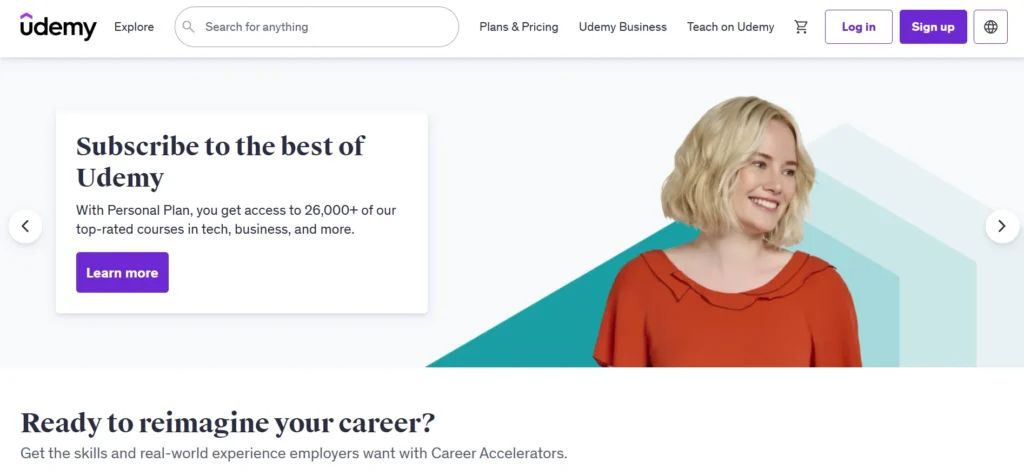
Udemy, launched in 2010, is one of the largest online learning marketplaces in the world. It offers over 200,000 courses across subjects like business, coding, photography, and design. The platform follows a pay-per-course model, meaning you buy individual courses and keep access to them indefinitely.
Udemy’s strength lies in variety. You’ll find everything from academic-style lectures to hands-on skill tutorials. Because anyone can become an instructor (as long as they meet the platform’s standards), the catalog is huge — and diverse in quality. This open structure means you’ll find gems from experts alongside courses from hobbyists.
In short, Udemy works like a digital bookstore: you browse, buy what you need, and learn whenever you want.
Skillshare Overview
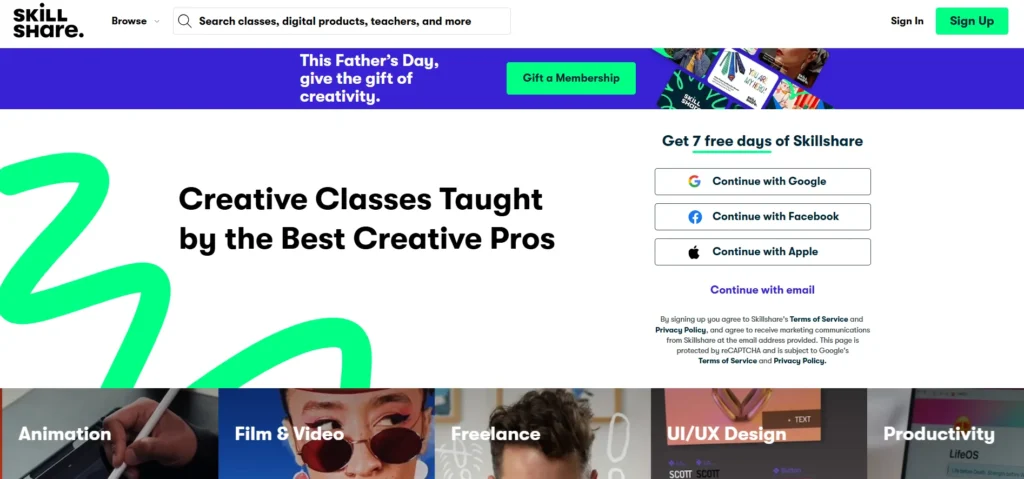
Skillshare also began around 2010 but grew differently. It emphasizes creative and project-based learning, making it a favorite for artists, designers, writers, and freelancers. Instead of paying per course, you pay a monthly or annual subscription that gives you unlimited access to all classes.
Skillshare’s approach is more community-driven. Classes are shorter, focused, and often include a project for students to complete. You can share your work, get feedback from peers, and even join workshops. The tone is informal and practical — think of it as a creative studio rather than a classroom.
If you learn best through doing, Skillshare’s format will likely feel natural and motivating.
1. Course Offerings and Content Structure
Udemy: A Vast Library of Courses
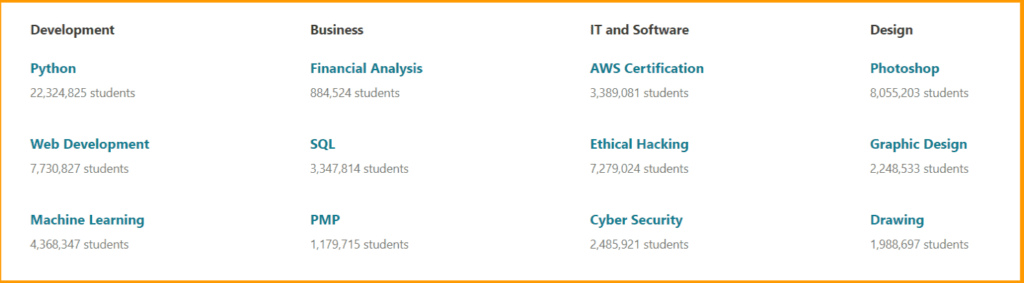
Udemy’s biggest appeal is its enormous library. With courses in more than 75 languages and categories from “Python for beginners” to “Public Speaking Masterclass,” it’s designed for learners at every stage. Many reviews highlight its breadth as unmatched in the e-learning world.
Courses vary in length — some are quick, one-hour tutorials; others stretch into 40-hour deep dives. Lessons are often organized into video lectures, downloadable resources, and quizzes. Because it’s an open marketplace, you’ll find professionals, teachers, and enthusiasts sharing their knowledge.
That flexibility makes Udemy great for learners who prefer independence and specificity — you can find a course for almost any niche topic.
Skillshare: Focus on Creative Learning

Skillshare is built for creative learning. You’ll find classes on illustration, graphic design, photography, animation, writing, and entrepreneurship. The focus is on practical skills you can apply immediately, not theory-heavy lessons.
Most classes are short — usually 30 to 90 minutes — and structured around completing a creative project. You’ll watch the lessons, work on your project, then upload it for peer review. This makes the learning process active rather than passive.
Skillshare also curates its courses more carefully than Udemy, so the overall quality is more consistent, though the range is narrower.
2. Course Quality and Instructor Credentials
Udemy: Diverse Instructors with Varying Qualities
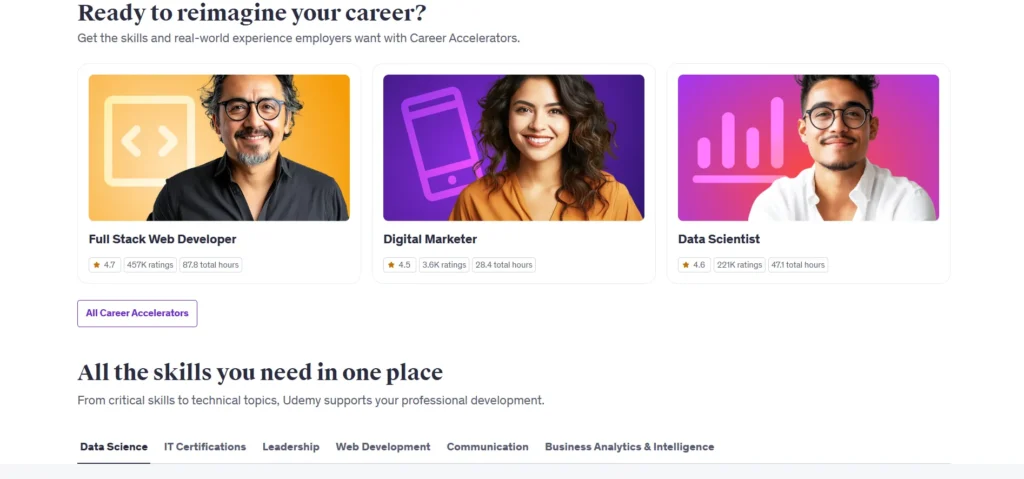
Udemy’s open marketplace means anyone can teach. You’ll find college professors, working professionals, and enthusiastic self-taught experts. This creates a rich but uneven mix of content.
Some courses are exceptional — deeply researched, well-produced, and taught by industry leaders. Others might feel less refined. Fortunately, Udemy’s review system (with star ratings and detailed feedback) helps you spot the good ones quickly.
Because instructors earn money per sale, many regularly update their courses to stay relevant, especially in fast-changing fields like coding or marketing.
Skillshare: Industry Professionals with a Creative Focus
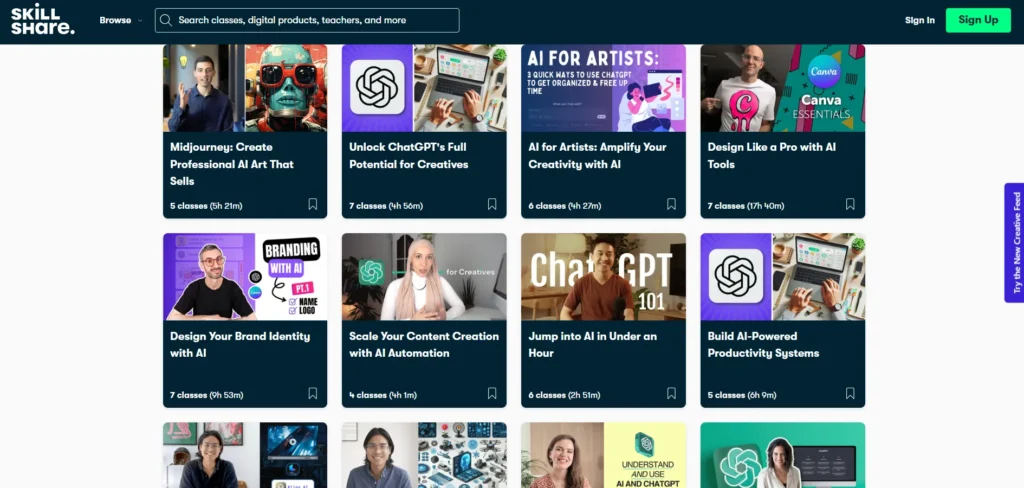
Skillshare’s instructors are typically professionals or recognized creators in their industries. Many are designers, photographers, writers, or entrepreneurs who teach practical, experience-based lessons. The platform’s vetting process ensures a certain level of consistency.
Since Skillshare prioritizes creativity, lessons often feel personal and authentic rather than corporate or textbook-style. You’ll find names like Aaron Draplin, Jessica Hische, and Thomas Frank teaching classes that feel conversational and motivating.
Overall, Skillshare’s classes tend to feel more curated and cohesive, while Udemy’s vary more widely in style and quality.
3. Pricing Models and Access
Udemy’s Pay-Per-Course System
Udemy operates like a one-time purchase store. You pay for each course separately — anywhere between $10 and $200, depending on the instructor and topic. However, frequent sales often drop prices dramatically, sometimes as low as $9.99.
Once purchased, a course is yours for life. You can revisit it anytime, watch updates from the instructor, and download resources. This is ideal for long-term learning or skills you’ll need to refresh over time.
If you only take a few courses a year, Udemy’s model is cost-effective. But if you like exploring multiple topics regularly, costs can add up.
Skillshare’s Subscription Model
Skillshare runs on a subscription model. A monthly plan costs around $29, while an annual plan costs about $99 (or roughly $8.25 per month when billed yearly). The annual plan usually includes a free trial period.
With your subscription, you can take any number of classes — there’s no limit. This setup benefits those who enjoy sampling different subjects or who like short, consistent bursts of learning.
In short, Udemy rewards focused learners; Skillshare rewards curious explorers.
4. Learning Experience and Community Engagement
Udemy: A Traditional Learning Experience
Udemy feels like a digital classroom. You watch pre-recorded lectures, complete quizzes, and follow along with the material. Interaction is limited to Q&A sections, where you can post questions and sometimes receive responses from instructors or peers.
This setup suits learners who prefer self-paced, independent study without distractions. You can progress entirely on your schedule without needing to engage with others.
However, because it lacks strong community features, it can sometimes feel a bit solitary.
Skillshare: Project-Based Learning and Peer Interaction
Skillshare shines in community engagement. Every class includes a “project” that encourages hands-on application. You can share your work, comment on others’, and even follow instructors for updates and discussions.
There’s also a vibrant creative community that often feels like a social network for learners. Many students join to get inspired, stay accountable, and receive constructive feedback.
If you thrive on collaboration and enjoy seeing how others interpret the same project, Skillshare provides that creative energy.
5. Certification and Accreditation
Udemy: Certificates of Completion
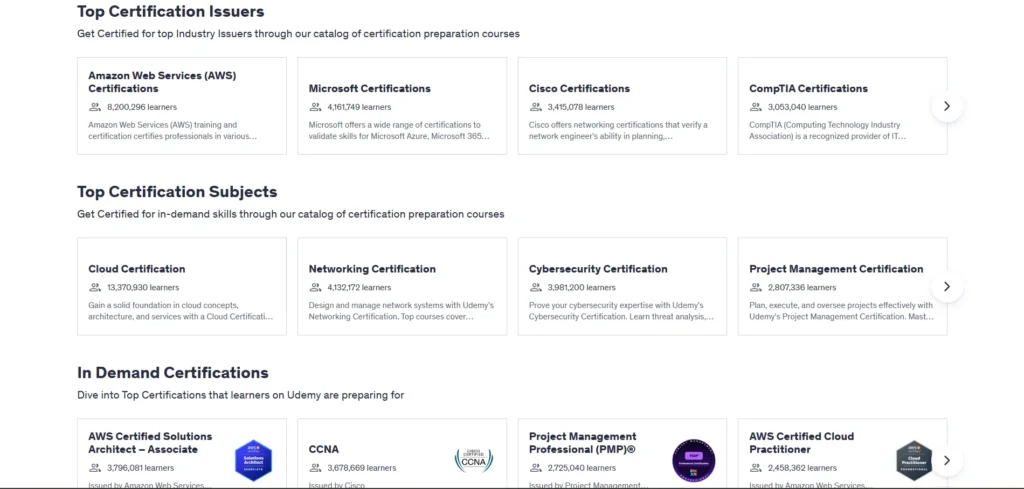
Udemy provides a certificate of completion after you finish a course. While these aren’t accredited by universities or official institutions, they can still be valuable for personal or professional portfolios, especially for freelancers or self-learners showcasing skills.
Some employers recognize them as proof of initiative or self-improvement, but they don’t carry the same weight as formal diplomas.
Skillshare: No Formal Certification

Skillshare doesn’t offer certificates. Its philosophy focuses on personal growth and creativity rather than formal credentials. The platform’s value lies in skill-building and creative output, not in certificates or academic validation.
If your goal is to impress employers with credentials, Udemy has the edge. But if you’re learning to create, Skillshare’s approach is more freeing.
6. Mobile Accessibility and Offline Learning
Udemy: Flexibility with Offline Access
Udemy’s mobile app (available for iOS and Android) is polished and easy to use. You can download courses for offline viewing, which is great for learning on the go or when you have limited internet access.
The interface tracks your progress, bookmarks lessons, and lets you switch devices seamlessly. This makes it perfect for learners who travel or study in short sessions.
Skillshare: Offline Learning for Premium Members
Skillshare also offers offline access — but only for Premium subscribers. Once you upgrade, you can download classes through the app and watch them anytime. The app is intuitive, with smooth video playback and project submission features.
Skillshare’s design feels more community-centered, showing projects and discussions even on mobile. Both platforms offer convenience, but Udemy’s offline flexibility feels slightly more open.
7. Support and Customer Service
Udemy: Reliable Customer Support
Udemy’s support system is well-established, with quick responses through email and an extensive help center. There’s also a 30-day money-back guarantee if you’re unhappy with a course — a huge plus for cautious buyers.
Most issues, like payment problems or content questions, are resolved quickly. Reviewers often highlight Udemy’s transparent refund process as one of its standout features.
Skillshare: Efficient Support System
Skillshare provides an email-based support system and detailed help guides. While it doesn’t offer refunds on monthly plans (only for certain cases with annual plans), users generally report prompt and friendly assistance.
Skillshare also maintains active community moderators who help manage classes and discussions, adding an extra layer of guidance for new users.
8. Ideal Users
Who Should Choose Udemy?
Udemy is best for learners who:
- Want to master a specific skill or topic in depth
- Prefer lifetime access to purchased courses
- Value structured, lecture-style learning
- Need a certificate of completion for professional growth
- Enjoy learning independently at their own pace
It’s especially good for professionals and tech learners who want to stay updated with the latest tools, languages, or trends.
Who Should Choose Skillshare?
Skillshare is perfect for learners who:
- Thrive on creativity and collaboration
- Want unlimited access to many short classes
- Learn best through projects and peer feedback
- Enjoy exploring new hobbies and skills regularly
- Prefer a community-driven learning environment
It’s ideal for artists, designers, writers, entrepreneurs, and anyone who finds motivation in creativity and connection.
Final Thoughts: Which Platform is Right for You?
Both Udemy and Skillshare are excellent, but they serve different learning personalities.
- Choose Udemy if you prefer structured, topic-specific learning and want permanent access to detailed courses. It’s like owning a personal library you can revisit anytime.
- Choose Skillshare if you enjoy experimenting, sharing your work, and learning through creativity. It’s like joining a studio full of people who inspire you to keep creating.
If your goal is career advancement or certification, Udemy wins. If you want to nurture creativity and consistency, Skillshare is your match.
Ultimately, the “best” platform is the one that matches your motivation — Udemy for depth and discipline, Skillshare for inspiration and exploration.
FAQs
Can I get a refund on Udemy courses?
Yes, Udemy offers a 30-day money-back guarantee on most courses.
Does Skillshare offer a free trial?
Yes, Skillshare typically provides a 7-day or one-month free trial for new members.
Are Udemy certificates recognized by employers?
They’re not formally accredited, but many employers value them as proof of self-learning.
Can I use both platforms at once?
Absolutely. Many learners use Udemy for technical topics and Skillshare for creative skills.
Which is cheaper overall?
If you take only a few classes, Udemy is cheaper. If you learn regularly, Skillshare’s subscription gives better value.